
November 28, 2019
The Rise Of The ‘Unconference’
What is an unconference and how does it challenge traditional event formats?
Traditional conferences have long been a staple of professional networking and learning, a mix of keynote speakers, timetabled workshops, and presentations. But in most cases, the best conversations don’t happen on stage, they happen over coffee.
That’s where the unconference comes in. Unlike a traditional conference, an unconference is driven by the attendees; they set the agenda, lead the discussions, and shape the experience. Developed originally in the tech sector, this format has evolved into a powerful event strategy that encourages collaboration, innovation, and authenticity across industries.
It’s a move from “sit and listen” to “share and shape,” giving professionals the chance to connect meaningfully, learn collectively, and create real impact, all key goals of modern event management and event marketing.
Why is the unconference format gaining momentum in modern event strategy?
As workplaces become more flexible and collaborative, events are following suit. The unconference model reflects this cultural shift, valuing contribution over hierarchy and collaboration over presentation.
In “The Geek’s Guide to Unconferences,” Dave Winer summed it up perfectly: “The sum of the expertise of the people in the audience is greater than the sum of the expertise of the people on stage.”
For businesses, that’s gold. When you give delegates a platform to co-create, you’re not just running an event, you’re building community-driven learning experiences. That’s the essence of smart event strategy: empowering your audience, not just talking to them.
How did First Event bring the unconference concept to life?
At First Event, we’ve delivered hundreds of conferences, but our first unconference in 2018 was a real game changer. Led by our Head of Operations, Kerry, it was designed for the coworking industry, a sector already known for its innovation and flexibility.
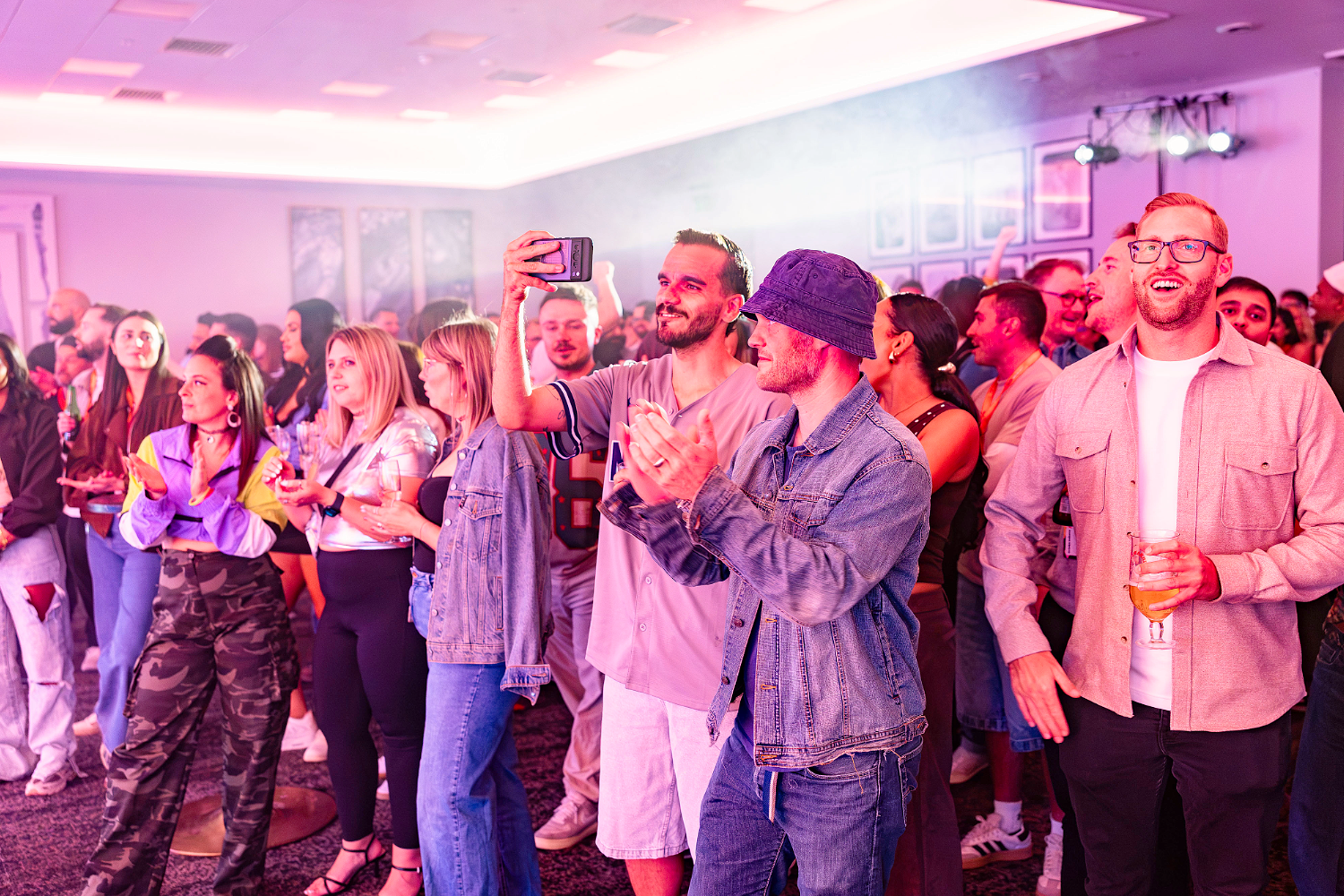
We transformed an open-plan venue into an interactive event space, encouraging free movement, collaboration, and connection. Delegates could pick sessions, join spontaneous workshops, and even contribute their own topics to a creative wall, helping shape the day’s discussions in real time.
Kerry, explains:
“Delegates voiced pressing challenges and shared insights that made the event truly theirs. They left feeling heard, connected, and inspired, which is exactly what great event design should do.”
How can event planners make the most of an unconference format?
Embracing the unconference model doesn’t mean throwing structure out the window. A successful unconference still requires expert event planning and management, just with more room for organic collaboration.
The secret? Create the framework for flexibility. As an event agency, we recommend:
- Setting clear objectives – Know what success looks like before you start.
- Designing the space strategically – Open layouts encourage movement and connection.
- Empowering technology – Event apps and live voting tools allow delegates to guide the content.
- Facilitating, not directing – Act as a guide to keep sessions productive, not prescriptive.
This hybrid of structure and spontaneity creates dynamic experiences that boost engagement and deliver measurable ROI, the dream for any event marketing campaign.
Can event technology make unconferences even more engaging?
Absolutely. Event technology is the backbone of a successful unconference. Mobile event apps, for instance, can transform how delegates interact before, during, and after the event.
Through an app, attendees can submit topics, vote on sessions, connect with others, and personalise their schedules. In fact, 91% of event organisers report positive ROI when using mobile event apps, proving that digital tools enhance real-world experiences.
This level of engagement also provides valuable data insights, helping your event team refine strategies, improve future sessions, and continuously elevate your event design approach.
Why should businesses embrace the unconference model for future events?
Because it works. Unconferences foster creativity, inclusivity, and participation, all key drivers of meaningful professional engagement. They encourage open discussion, challenge traditional hierarchies, and spark the kinds of conversations that push industries forward.
For businesses aiming to stand out through event marketing, adopting an unconference approach can position your brand as forward-thinking, people-focused, and truly innovative.
Ready to create your own unconference?
If you’re looking to reimagine your next conference or business event, our event experts at First Event can help you turn it into an unforgettable, purpose-driven experience.
Get in touch with our event team today to explore how we can design and deliver an unconference that inspires, engages, and achieves real impact.
Related Articles
Why Attendees Demand Events That Align With Their Values
Building Communities, Not Just Events
What Gen Z Can Teach Us About the Power of Tangible Experiences