February 21, 2022
7 Reasons Why Virtual Events Are Here To Stay
Virtual events were once seen as a temporary fix. Now they’re a permanent part of the event landscape, and a powerful tool in modern event strategy, event marketing, and hybrid event production.
For brands, marketers, and event planners, the question is no longer “Should we go virtual?” but “How do we design better, smarter, more immersive experiences across virtual, hybrid, and in-person formats?”
Here are the key reasons virtual events continue to grow, and why they’re shaping the future of event management, event design, and brand experiences.
1. Sustainability is now a non-negotiable in event planning
Sustainability has moved from “nice-to-have” to core business strategy. Virtual events dramatically reduce travel, freight, venue energy use, and overall carbon output.
For organisations building ESG-focused event strategies, digital and hybrid events offer a measurable way to reduce environmental impact without compromising audience engagement. Event planners are increasingly expected to prove sustainability ROI alongside financial ROI.
2. Hybrid events are redefining flexibility and audience experience
Hybrid events are no longer an add-on, they’re the default for forward-thinking event agencies.
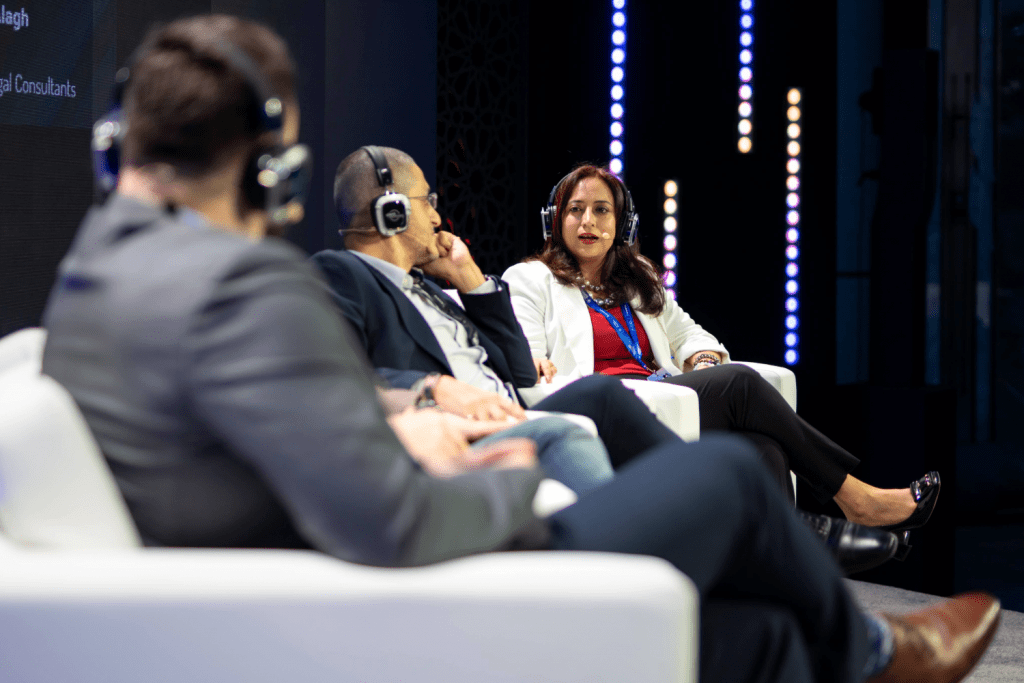
They allow businesses to design inclusive events where in-person and remote audiences experience the same brand moment in different ways. Whether it’s a leadership summit or product launch, hybrid formats give attendees choice, flexibility, and access without borders.
For companies embracing hybrid working, this alignment between work patterns and event formats is essential.
3. Global reach without physical limits
One of the biggest shifts in event marketing is scale.
Virtual events remove geographic barriers completely, enabling brands to reach global audiences instantly. A keynote speaker in New York, a production team in London, and attendees across five continents can now exist in the same event ecosystem.
This opens up access to world-class speakers, niche communities, and entirely new audience segments—without the cost or complexity of international travel logistics.
4. Event technology is unlocking immersive virtual worlds
Event technology has evolved far beyond simple livestreaming.
Today’s virtual events can create fully immersive experiences, interactive environments, gamified engagement, networking lounges, AI-driven matchmaking, and even virtual worlds that mirror physical spaces.
This shift is transforming event design from passive viewing into active participation. Attendees don’t just watch; they explore, interact and shape their own experience. This is where immersive experiences become a core part of modern brand storytelling.
5. Better data = smarter event marketing strategies
Virtual and hybrid platforms give event marketers something traditional events struggle with: real-time, actionable data.
From session engagement to drop-off rates and interaction heatmaps, brands can measure what actually works. This transforms event marketing into a performance-led discipline, helping teams refine messaging, content, and audience journeys with precision.
For any event agency focused on ROI, this data is invaluable for optimising future event strategy.
6. Inclusive events are finally becoming scalable
Accessibility is no longer an afterthought in event management.
Virtual events make it easier to design inclusive experiences for global audiences, including those with mobility challenges, caregiving responsibilities, or scheduling constraints. Features like live captions, multiple time zones and on-demand content ensure more people can engage in ways that suit them.
Inclusive event design is no longer just ethical, it’s a competitive advantage.
7. The life of an event doesn’t end when it goes live
One of the most overlooked benefits of virtual events is longevity.
Sessions can be repurposed into content hubs, social clips, sales enablement tools, and long-tail marketing assets. This extends the impact of a single event far beyond the live moment, turning events into ongoing content ecosystems.
For brands focused on event marketing ROI, this extended lifecycle is a game-changer.
The future of events is not either/or, it’s everything together
Virtual, hybrid, and in-person events are no longer competing formats. They’re interconnected tools within a broader event strategy designed to deliver impact, reach, and experience at scale.
The most successful brands are those working with an experienced event agency that understands how to blend event technology, creative events, and immersive brand experiences into one seamless journey.
At First Event, we design events that don’t just keep up with change, they lead it. From event production and event design to hybrid events and immersive experiences, we help brands create moments that matter.
Ready to rethink your event strategy?
If you’re planning a corporate event, exploring hybrid events, or looking to elevate your brand experiences with smarter event technology and creative event design, we’d love to talk.
Get in touch with our event agency and let’s build something unforgettable.