May 23, 2022
Are Virtual Events a Sustainable Solution?
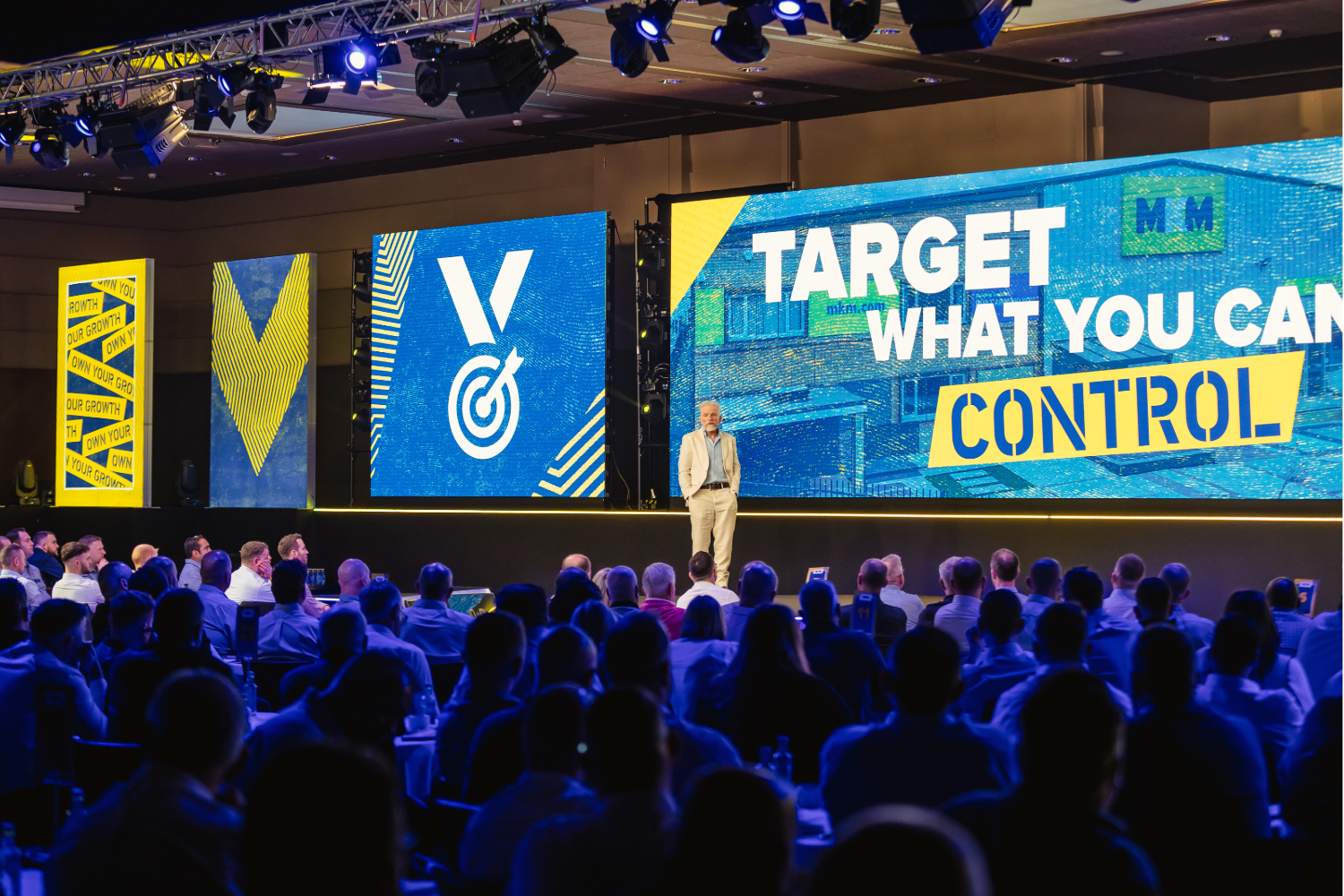
When brands choose between hosting an in-person or virtual event, the environmental impact is often overlooked. Yet, each physical event can have a surprisingly large carbon footprint, from travel and venue energy to food waste and materials.
So, how can event planners and businesses truly make a difference? As a leading event agency, we believe that embracing virtual events is one of the most effective ways to build a more sustainable event strategy.
Let’s explore the environmental benefits of digital events and how they can align your event management and marketing goals with sustainability.
How Does Travel Impact Event Sustainability?
Travel is one of the biggest sustainability challenges in event planning and event management. Research shows that a single event attendee can generate up to 2,000 pounds of CO₂ when travel is involved, imagine that multiplied across hundreds or thousands of delegates.
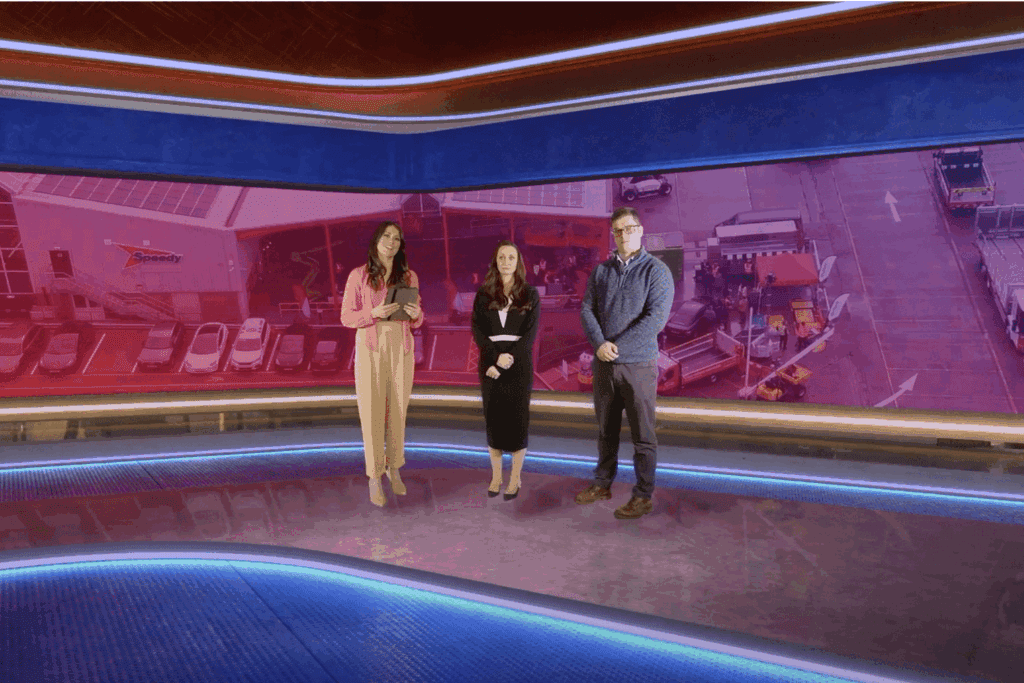
By moving events online, brands can dramatically reduce their carbon footprint without sacrificing engagement. Virtual events can be just as diverse, interactive, and visually striking as in-person experiences; it just takes the right event design and strategy.
Can Virtual Events Reduce Material Waste?
Absolutely. Traditional in-person events generate huge amounts of waste, from printed brochures and branded materials to single-use name badges and plastic giveaways. Even with eco-friendly swaps, physical events often leave behind a heavy footprint.
Switching to virtual event formats cuts this waste dramatically. No printing. No disposable materials. Just smart, digital event marketing that delivers impact without the landfill.
This shift doesn’t just benefit the planet, it also streamlines your event budget and strengthens your brand’s sustainability credentials.
Do Virtual Events Use Less Energy Overall? Yes, and significantly so. While virtual events still require electricity for devices and streaming, their overall energy consumption is far lower than that of in-person gatherings.
Consider everything that goes into a live event: lighting, heating or cooling, catering, staging, and production. According to Forbes, a recent study found that an online conference produced 66 times fewer greenhouse gas emissions than an in-person one.
That’s a game-changer for any event strategy focused on sustainability and efficiency.
What About Food Waste at Events?
Food waste is a silent sustainability issue in the event management world. Almost a third of event professionals admit to throwing away at least 15% of the food they order for live events, a clear sign of overestimation.
Virtual events eliminate this challenge completely. No catering logistics, no leftovers, no unnecessary cost. It’s a win for both the planet and your event budget.
Can Hybrid Events Be a Sustainable Middle Ground?
Yes! If your brand values the buzz of face-to-face connection but wants to be more environmentally conscious, hybrid events offer the best of both worlds.
Hybrid formats blend live and virtual elements, helping reduce travel, waste, and energy use while maintaining engagement and reach. With smart event design and planning, your audience can connect seamlessly from anywhere, with minimal environmental impact.
How Can Virtual Events Enhance Brand Credibility?
Introducing more sustainable practices into your event marketing strategy isn’t just good for the planet, it’s great for your brand.
By choosing virtual or hybrid events, you’re demonstrating genuine commitment to corporate social responsibility and positioning your business as an industry leader that cares about impact.
At First Event, our expert event planners and strategists help brands design experiences that are powerful, purposeful, and planet-friendly.
Ready to Build a More Sustainable Event Strategy?
Sounds good, right? It’s time to make sustainability more than a buzzword in your event management and marketing approach.
Get in touch with our event experts to start building meaningful, engaging, and sustainable experiences that make a real difference, for your audience and the planet.
Related Articles
Top Tips for Winning at Virtual & Hybrid Events
How to Ensure Your Events Align with Sustainability Goals
23 Sustainable Event Ideas for Corporate Events That Make an Impact