July 31, 2026
Conference vs Incentive Event: Which Is Right For Your Business?
Choosing the right event format can make the difference between an event that simply happens and one that delivers real business impact.
A conference can align teams, share knowledge and inspire action. An incentive event can reward performance, strengthen relationships and create unforgettable memories. But with so many event formats available, how do you know which one is right for your audience?
The answer comes down to three things:
Your objective. Your audience. Your desired outcome.
In this guide, we’ll break down the difference between conferences and incentive events, when to use each, and the key questions to ask before planning your next experience.
What is a conference event?
A conference is a business-focused event designed to educate, communicate and bring people together around a shared purpose.
Typical conference elements include:
- Keynote speakers
- Leadership updates
- Workshops
- Networking sessions
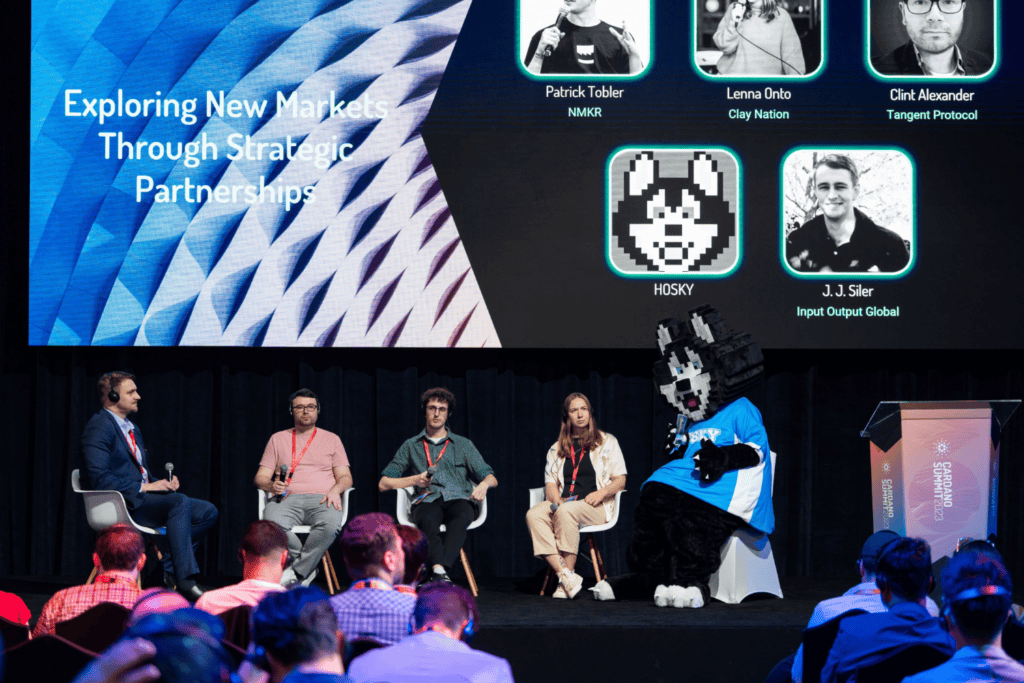
- Panel discussions
- Product launches
- Industry insights
The main goal of a conference is to create alignment and inspire action.
A successful conference should answer:
“What do we want attendees to know, feel and do differently afterwards?”
When should you choose a conference?
A conference is the right choice when you need to:
- Communicate a new strategy
- Bring teams together around a common goal
- Share knowledge or industry insights
- Launch a product or service
- Build authority within your sector
Example objectives:
1. Challenge: A global business needs to align 500 employees behind a new company strategy.
2. Solution: A conference experience combining keynote sessions, interactive workshops and networking opportunities.
3. Outcome: Employees leave informed, motivated and aligned.
What is an incentive event?
An incentive event is designed to recognise, reward and motivate a specific audience through memorable experiences.
Unlike conferences, the focus isn’t on information sharing. It’s about creating an emotional connection.
Examples include:
- Overseas incentive trips
- Luxury experiences
- Team reward programmes
- VIP client experiences
- Recognition events
The goal is to make people feel valued.
When should you choose an incentive event?
An incentive event works best when you want to:
- Reward high performance
- Increase employee engagement
- Build loyalty with customers or partners
- Celebrate achievements
- Create stronger relationships
Example objectives:
1. Challenge: A company wants to recognise its top-performing sales team.
2. Solution: A tailored incentive experience combining travel, cultural experiences and team activities.
3. Outcome: Increased motivation, stronger relationships and a memorable reward.
Conference vs incentive event: the quick comparison
| Conference | Incentive | |
|---|---|---|
| Main objective | Inform and inspire | Reward and motivate |
| Audience mindset | “What can I learn?” | “What experience will I remember?” |
| Success looks like | Knowledge, alignment and action | Engagement, loyalty and motivation |
| Main content | Speakers, sessions and workshops | Experiences, activities and recognition |
| Key emotion | Inspiration | Appreciation |
5 questions to ask before choosing your event format
Before deciding between a conference or incentive event, ask:
1. What behaviour are we trying to influence?
Don’t start with the format. Start with the outcome. Do you want people to:
- Understand a new strategy?
- Improve performance?
- Build relationships?
- Feel recognised?
- Take action?
Your objective should shape your event.
2. Who is attending?
Different audiences need different experiences. Consider:
- Employees
- Customers
- Partners
- Senior leaders
- Sales teams
- Prospects
A leadership team may need strategic alignment, while a sales team may respond better to recognition and reward.
3. What should attendees remember?
The best events create a lasting impression. Ask:
“What is the one thing we want people talking about afterwards?”
This could be:
- A powerful keynote
- A unique destination
- A creative experience
- A meaningful connection
4. How will you measure success?
Define success before planning begins. For conferences, measure:
1. Attendance
2. Engagement
3. Feedback scores
4. Knowledge retention
5. Business alignment
For incentive events, measure:
1. Employee satisfaction
2. Retention
3. Motivation
4. Relationship growth
5. Performance impact
5. Could you combine both?
Often, the most successful events blend both approaches. For example:
A two-day leadership conference could include:
Day one:
1. Strategy sessions
2. Keynote speakers
3. Workshopsities
Day two:
1. Team experiences
2. Recognition moments
3. Destination activities
This creates both intellectual and emotional impact.
Key takeaways: Conference vs incentive event
1. Conferences are designed to educate, align and inspire
2. Incentive events are designed to reward, motivate and connect
3. Start with your objective, not the event format
4. The best experiences create emotional connection
5. Combining content and experiences can deliver the strongest results
Final thoughts
The right event isn’t about choosing between a conference or incentive event. It’s about understanding your audience’s needs and designing an experience that delivers on your goals. At First Event, we create conferences, incentive experiences and corporate events that drive connection, engagement and measurable impact.