
November 19, 2019
How Can Incentive Travel Increase Employee Happiness?
In a world where we spend roughly 20% of our lives at work, businesses are constantly searching for ways to boost employee happiness and retain top talent. One proven approach? Incentive travel. But why does it work so well, and how can event planners and companies use it as part of a wider event strategy?
Let’s break it down.
Why do we actually go to work beyond getting paid?
While money is the primary motivator for showing up, it’s far from the only factor. Research reveals that even lottery winners often keep working — proving our jobs serve deeper purposes like fulfilment, community, pride, and personal growth.
In today’s workplace, employees have more control over the environments they choose. Culture, values, and experiences matter. That’s exactly where incentive travel, delivered through a strategic event agency or event planner, becomes a powerful tool for boosting happiness and long-term engagement.
What is incentive travel and why does it work so well?
Incentive travel is a reward-based programme that gives employees a memorable travel experience in recognition of performance, engagement or loyalty. Whether it’s a targeted sales incentive, an annual reward trip, or part of a wider engagement strategy, it delivers something many standard benefits can’t: emotional impact.
The Incentive Research Foundation even calls travel the ultimate reward, a powerful experiential incentive proven to elevate morale and performance more effectively than cash bonuses.
How does incentive travel increase employee motivation?
Motivation is deeply tied to happiness. According to University of Warwick research, happy employees are 12% more productive, while unhappy employees are 10% less productive. Incentive travel taps into this dynamic by giving people something genuinely exciting to work toward.
As part of a wider event strategy, incentive travel:
- Boosts motivation leading up to the trip
- Enhances productivity through goal-focused behaviour
- Strengthens company culture via shared experiences
- Encourages personal connection with leadership
- Builds loyalty through meaningful recognition
In short, it gives employees a reason to feel valued, and that matters.
How can businesses create a happier workplace through experiences?
Happiness at work naturally fluctuates, and retention rates often reflect that. Research shows nearly 10% of global employees voluntarily change companies in search of a happier environment.
The top contributors to workplace happiness are:
- Pride in the company,
- Respect, and
- Appreciation.
Incentive events address all three by giving employees memorable moments they’ll associate with feeling valued.
And with millennials, the generation driving the experience economy, soon becoming 75% of the global workforce, experiential rewards like incentive travel are no longer a luxury. They’re a strategic necessity.
How does age impact employee happiness and retention?
Generational differences matter.
- Baby Boomers tend to stay at one workplace longer.
- Millennials and Gen Z regularly move roles in search of experiences, development, and culture.
This shift means employers must prioritise meaningful experiences, wellbeing initiatives, workplace flexibility, and ongoing engagement. Incentive programmes, when run effectively, tick every one of those boxes.
What long-term benefits do incentive programmes bring to employee happiness?
Sustainable employee happiness stems from consistent, well-designed engagement strategies, not one-off rewards. Incentive travel can be paired with broader event management and employee benefit schemes such as:
How does work–life balance support happiness?
Flexible working, birthday leave, enhanced holidays, and childcare support empower employees to integrate life and work more smoothly.
How does personal development improve employee motivation?
Training budgets, CPD opportunities, and time for charity work help employees grow — a major predictor of long-term happiness.
How do health and wellbeing benefits affect engagement?
Gym discounts, wellbeing programmes, snacks, cycle-to-work schemes, and healthcare packages show employees you value them as people, not just workers.
Do monetary rewards still matter?
Absolutely, bonuses and vouchers can complement experiential rewards. But research consistently shows that experiences have longer-lasting emotional impact than cash.
Ultimately, the strongest incentive programmes combine experiential incentives, ongoing engagement, and meaningful recognition.
How can a business get started with incentive travel?
For organisations new to incentive travel or employee engagement, the first step is understanding your team, your goals, and what motivates them.
As an experienced event agency, we support businesses with:
- Incentive strategy planning
- Event design and creative concepts
- Pre-event engagement
- Onsite event management
- Post-event measurement and reporting
Whether your goal is better retention, increased sales, improved culture or enhanced productivity, incentive travel is one of the most impactful tools to get you there.
What’s the next step?
If you’re ready to transform your company culture, reward your team, and create unforgettable experiences…
Get in touch with our event team today to start planning your incentive travel programme.
We’ll help you design an experience that motivates your people, engages your workforce, and brings your company values to life.
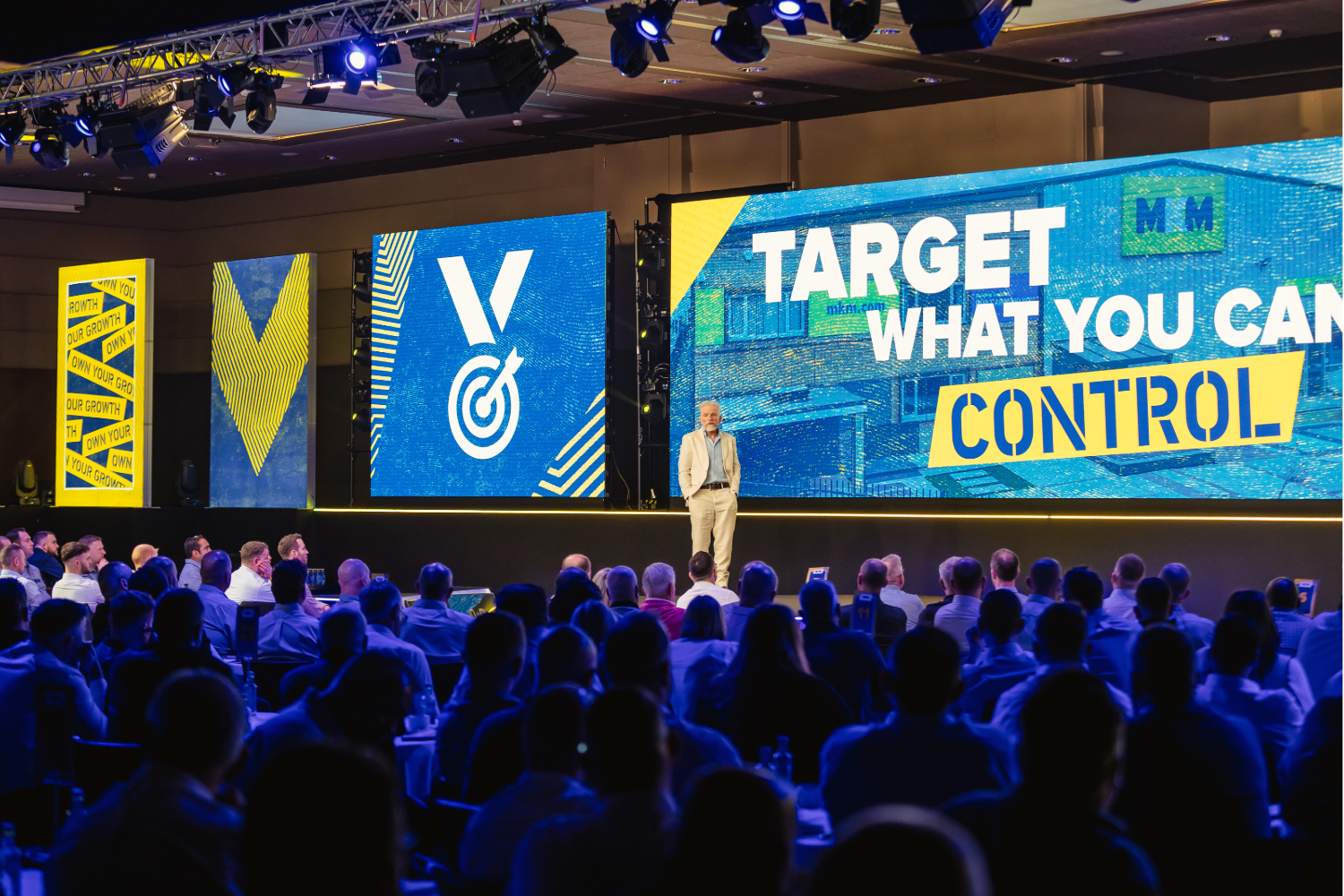
Incentive event in action:
Related articles:
Beyond Rewards: Rethinking Incentive Events in 2026
What Are the 10 Benefits of Incentive Travel Schemes?
Why Incentive Events Are More Than a Perk, They’re a Business Strategy
Related services:
Incentive Events
Event Strategy