February 18, 2026
Immersive Brand Experiences: Designing Events That Move People Emotionally
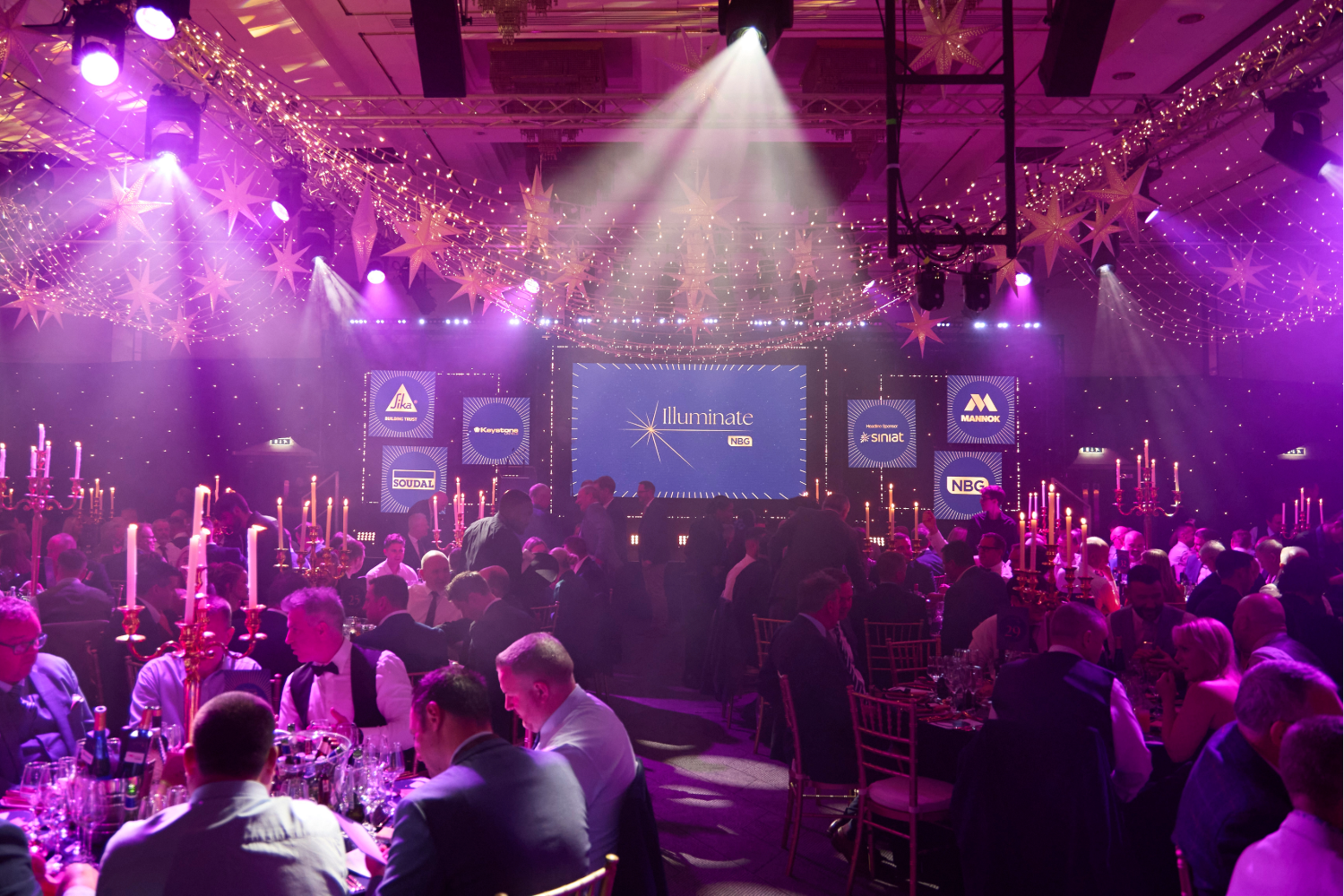
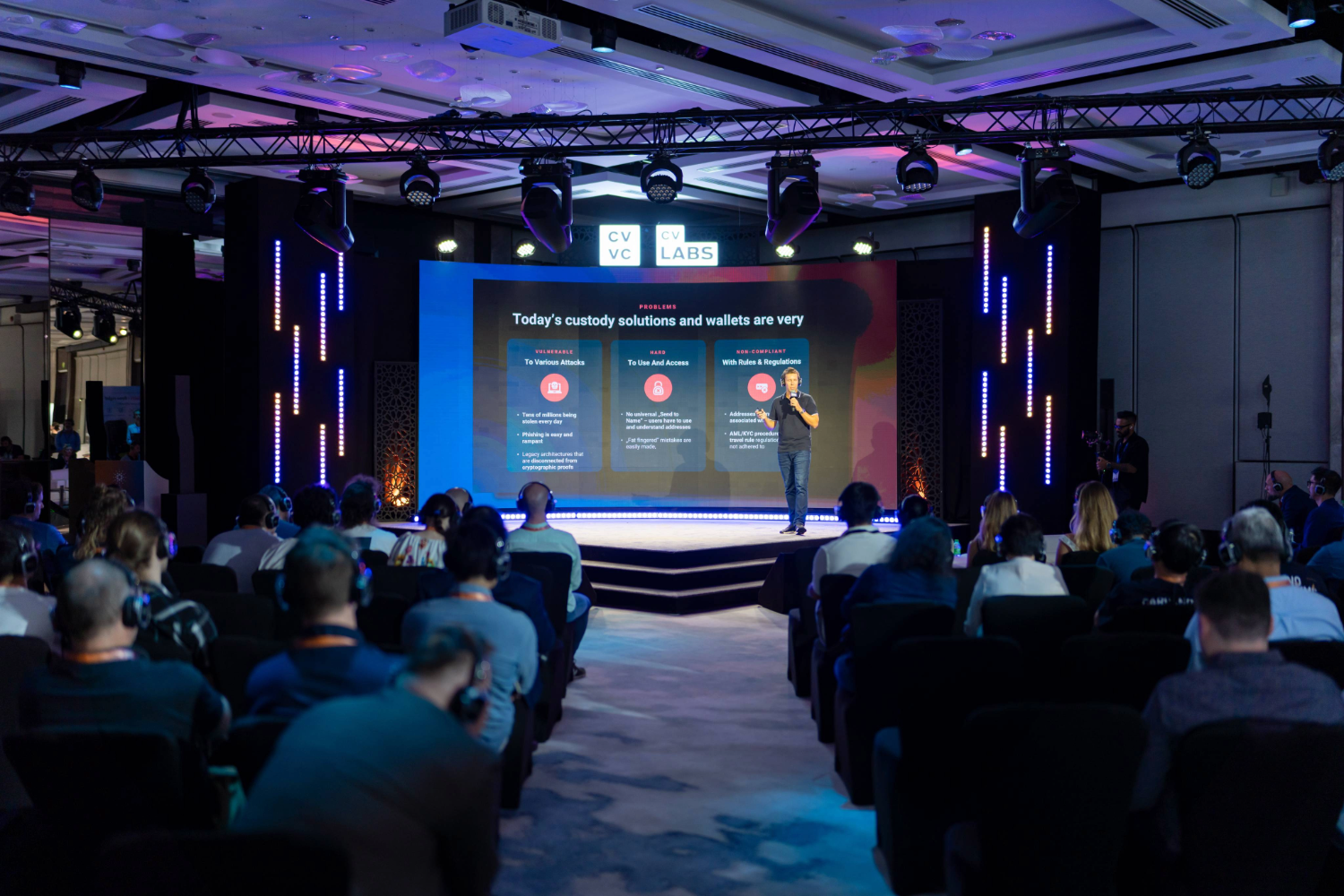
Creating immersive brand experiences isn’t just a trend; it’s the future of event strategy, event design and audience engagement. In this blog, we’ll break down how immersive events work, why they matter and how event agencies design events that move people emotionally, from brand strategy and messaging through production and attendee journeys.
What is an immersive brand experience?
An immersive brand experience is an event that goes beyond passive viewing; it engages attendees on multiple levels and communicates your brand story.
This can involve:
- Stage and scenic storytelling that wraps your message around the audience
- AV and event tech like projection mapping and LED environments
- Interactive activations that invite participants to co-create meaning
Example: HP’s “Antarctic Dome” created a 360° audiovisual world that boosted brand recall by embedding the brand in a multi-sensory journey that combined tech, art and music at Coachella.
Why do immersive experiences matter for brand and corporate events?
Immersive events allow your brand narrative and messaging to be experienced, not just seen or heard.
64% of event attendees say immersive experiences are the #1 element of a positive event experience.
50% of event attendees find live events more memorable than digital ones.
63% of consumers are more likely to remember a brand after an experiential event.
75% of organisers say immersive experiences that allow attendees to ‘disconnect’ from everyday life are now important to event success.
Key takeaway: When your brand messaging is embedded in a well-designed immersive experience, audiences retain more information, emotionally connect with your story and are more likely to take action.
How do immersive experiences transform attendee journeys?
The best corporate events don’t just land a message, they spark a chain reaction of engagement, emotion and action that continues.
Every touchpoint is a chance to move people and your brand forward. Here’s how to do it:
Pre-event: Build hype, not just awareness
Event marketing sets the emotional tone. Teaser campaigns, speaker reveals, personalised invites and social content create anticipation and position your event as a must-experience moment, not just another date in the diary.
Arrival: Turn your brand into a world people step into
First impressions are everything. Branded environments, bold scenic design and immersive AV instantly signal what your brand stands for.
Main programme: Take attendees on an emotional journey
Great event design uses storytelling, immersive visuals and powerful content to guide audiences from curiosity → connection → belief. This is where messaging sticks.
Interactive moments: Turn audiences into participants
Immersive activations, workshops and experiential zones invite attendees to engage, explore and co-create the experience. Participation builds emotional ownership and fuels organic event marketing through sharing and advocacy.
Post-event: Keep the momentum moving
The most powerful events don’t end; they evolve. Follow-up content, social storytelling and ongoing communications extend the experience lifecycle, turning one moment into sustained brand engagement.
Example: Salesforce’s “Dreamforce” uses personalised agendas, branded experiential zones, and interactive sessions to turn a corporate story into an emotional journey.
Actionable tips for designing immersive brand experiences
✔ Map the emotional and brand journey
- Define the story, touchpoints and emotions you want attendees to feel from start to finish.
✔ Align AV, production, and messaging
- Ensure LED, projection, and sound amplify, not distract
✔ Make attendees co-creators
- Interactive zones, gamification and workshops give attendees agency and strengthen emotional connection.
✔ Measure engagement and retention
- Use real-time analytics and post-event surveys to track how well messaging landed and emotions were triggered.
Example: Coca-Cola’s immersive activations at festivals and retail events often combine branded AR filters, physical experiences and music to reinforce messaging and delight audiences.
Final thought: Immersion + messaging = emotional ROI
Immersive experiences are only powerful when emotion, branding and audience journey are integrated. When executed correctly, your brand becomes a lived experience, not a tagline, leaving attendees energised, engaged and loyal.
If you’re looking to design immersive corporate events, experiential activations or brand experiences that truly resonate, our full-service event agency is here to help.
Get in touch today to discuss your next event, and let’s turn your brand story into an unforgettable experience your audience will remember.
Want to explore the future of experiences?
Discover the trends, insights and strategies shaping the Experience Economy with our free report: Download “The Evolution of the Experience Economy”.