July 31, 2026
The Evolution of Hybrid Experiences: What’s Next for Business Events?
Beyond the Live-Stream: Hybrid 2.0
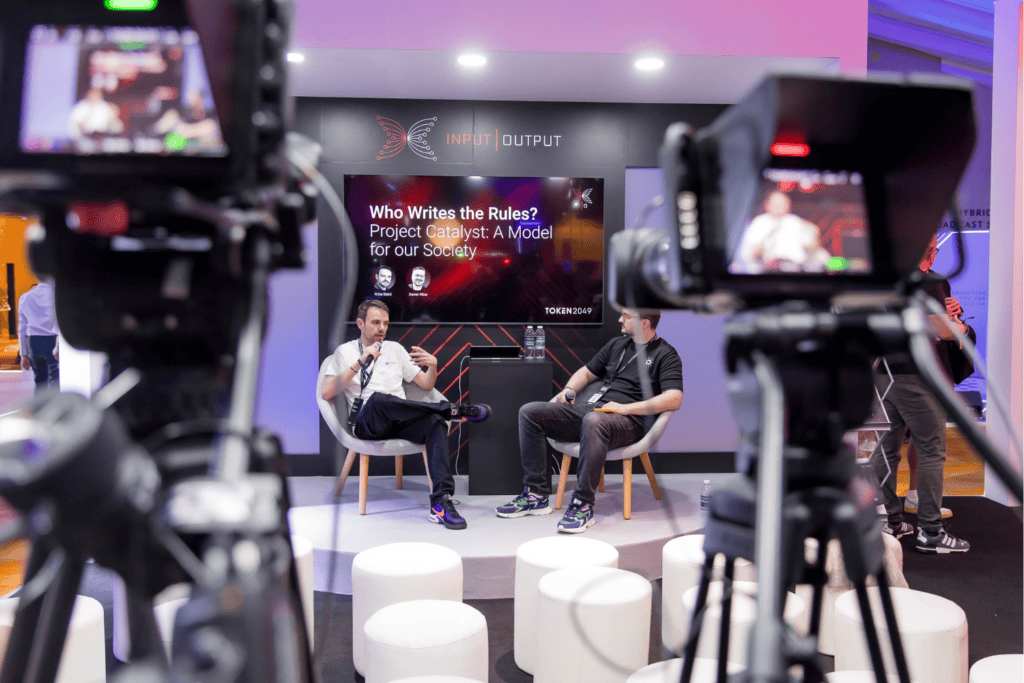
When hybrid events first emerged, they were largely an emergency fix: camera feeds pointed at a physical stage so remote participants could watch a webinar in real time. It was the worst of both worlds—tiring for live audiences and boring for screen viewers.
Fast forward to 2026, and the event landscape has transformed.
Digital fatigue and AI saturation have made screen-based attention scarce. 76% of audiences state that real-world, in-person experiences are more valuable than online ones, yet global workforces remain hybrid.
The solution isn’t ditching hybrid; it is redefining it. Modern hybrid design does not try to replicate the physical room online. Instead, it uses physical events as live “anchor chapters” that generate authentic human content, data, and lore to power digital brand communities year-round.
4 Pillars Driving the Next Generation of Hybrid
1. Asynchronous Value Over Synchronous Fatigue
No remote professional wants to sit through eight hours of live-streamed presentations. The future of hybrid is asynchronous. Treat physical event sessions as recording studios. Capture high-trust, human-led discussions on-site, edit them into bite-sized micro-content, and release them online on-demand so digital audiences can consume them on their own terms.
2. In-Person Tactile Focus, Digital Scaled Reach
Recognise that physical and digital attendees have completely different psychological needs:
- For In-Person Attendees: Prioritise tactile, analogue touchpoints—printed zines, screen-free networking zones, and hands-on workshops.
- For Digital Attendees: Focus on interactive utility, concise interviews, crowdsourced voting, and direct peer-to-peer digital networking.
3. Events as the Fuel for Brand “Lore”
Leading tech companies like Microsoft and Google now employ dedicated “Brand Storytellers”. Hybrid experiences are the ultimate vehicle for brand world-building. The physical event acts as the “live story launch,” while your digital platforms host the ongoing lore, behind-the-scenes clips, and community follow-ups that keep audiences hooked until the next chapter.
4. Continuous Data and Community Feedback
A standalone event ends when the doors close; an evolved hybrid experience forms a continuous momentum loop. Face-to-face interactions yield qualitative audience insights. Feeding these real-world conversations back into your digital marketing engine creates hyper-relevant email, social, and product strategies for the next 12 months.
The Hybrid Evolution Matrix
| Feature | Old Hybrid (1.0) | Evolution Hybrid (2.0) |
|---|---|---|
| Digital Format | Passive 8-hour stage live-stream | Curated, on-demand micro-content & podcasts |
| In-Person Focus | Staring at stage slides | Tactile play, unscripted networking, workshops |
| Content Lifecycle | Single-day broadcast | Year-round brand lore & content engine |
| Attendee Mindset | Screen fatigue | Active exploration & community belonging |
Ready to Redefine Your Event Strategy?
The future of business events isn’t purely digital, nor is it stuck in the past. It is a human-centric hybrid model that builds trust in person and scales impact online.
At First Event, we help brands design event ecosystems that capture attention, build community, and drive long-term commercial growth.
Download The Full Human Chapter Report or Get in Touch with Our Event Specialists.
Frequently Asked Questions
A: Only for major, high-impact keynotes. For general sessions, switch to on-demand, professionally edited post-event releases that respect remote viewers’ time and combat screen fatigue.
A: Don’t try to deliver the same experience to both. Design the live event entirely for physical human connection and tactile media, then use the recorded insights as a cost-effective content engine for your digital platforms.