May 21, 2026
Why the Best Brands Treat Events as a Long-Term Strategy
The best brands don’t see events as one-off moments. They see them as powerful marketing tools that drive wider business goals.
A conference might last two days. An incentive event might only run for a weekend. An expo stand could be packed away in less than 24 hours. But the impact of those experiences can influence brand perception, customer relationships and business growth long after the event ends.
That’s why more businesses are moving away from “tick-box events” and investing in long-term event strategies that support sales, marketing, culture and audience engagement.
How has the role of events changed?
The role of events has changed. They’re no longer standalone experiences sitting separately from marketing plans. They’ve become a key part of how brands connect with people, build trust and drive action.
If the goal is increasing sales, exhibiting at a major industry expo can generate high-quality leads, create face-to-face conversations and move prospects through the sales pipeline faster than digital marketing alone.
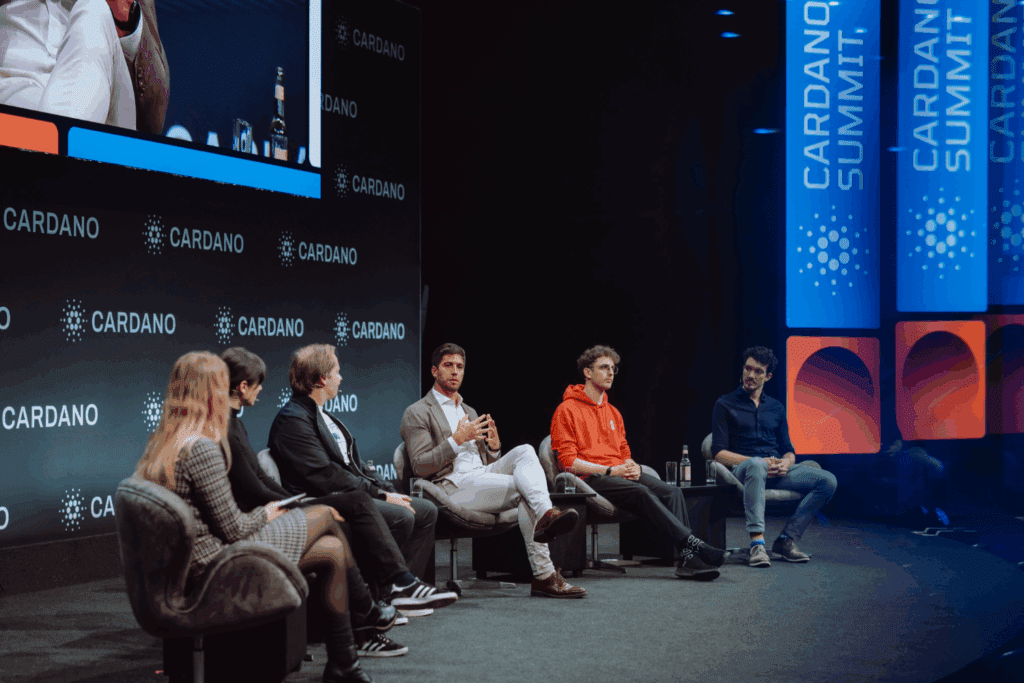
If the goal is strengthening brand positioning, hosting a leadership conference can establish a business as an industry authority while building stronger relationships with clients and partners.
If the goal is improving employee engagement or retention, incentive travel experiences can motivate teams, strengthen company culture and create long-term loyalty.
The strongest event strategies are designed around outcomes, not just attendance numbers.
Why are events more powerful than traditional marketing alone?
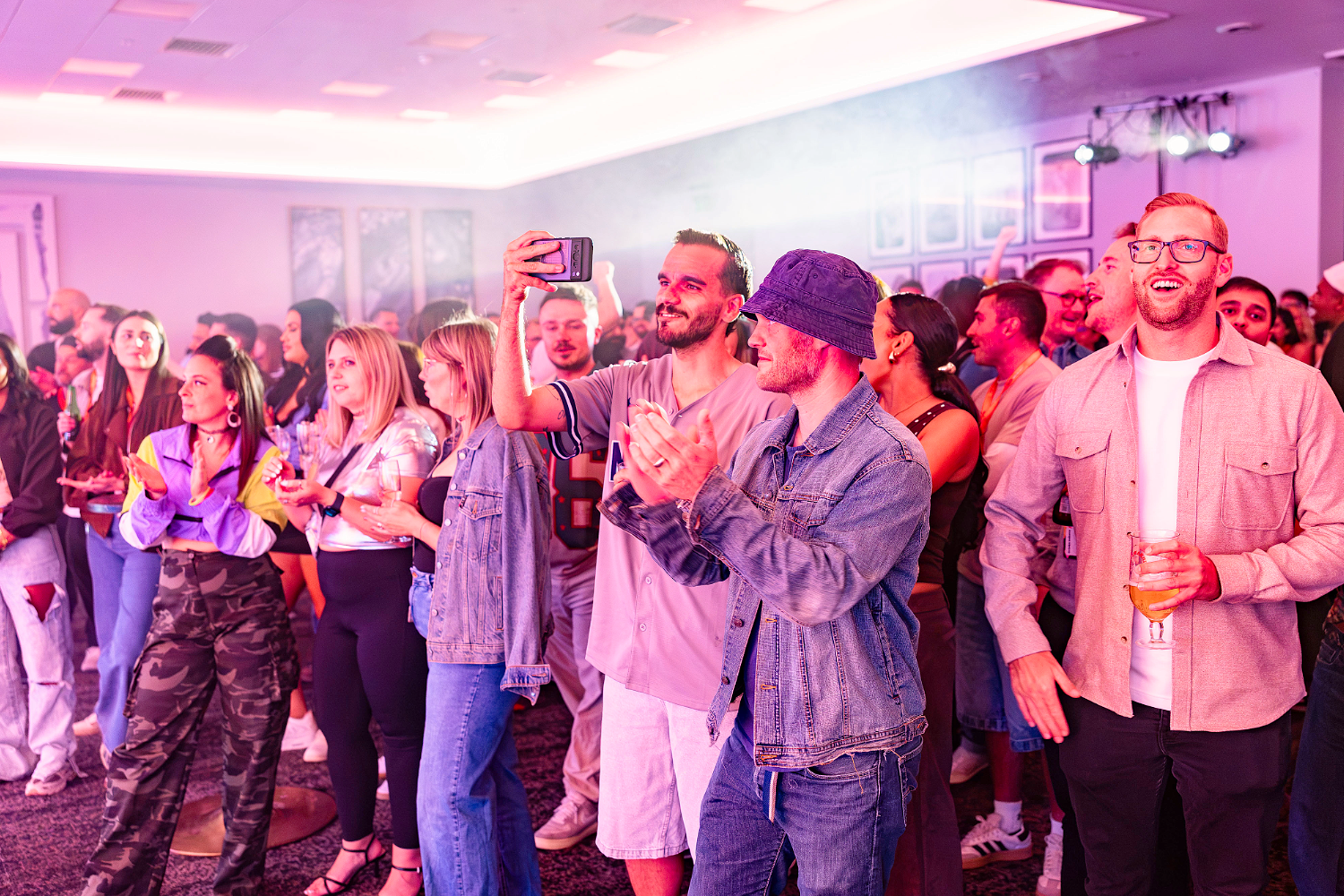
People remember experiences more than adverts. Audiences are constantly scrolling past content online, but live experiences create something more memorable: an emotional connection.
That’s what makes event marketing so effective. Instead of simply telling audiences about a brand, events allow people to experience it for themselves.
The most successful events create:
- Real interaction and participation
- Emotional engagement
- Shared experiences
- Stronger customer relationships
- Content that fuels wider marketing campaigns
One event can generate months of social media content, follow-up campaigns, lead nurturing and audience engagement.
A conference becomes a content engine.
An expo becomes a sales opportunity.
An incentive trip becomes a culture-building strategy.
The event itself is only part of the value. The real impact comes from everything that happens before, during and after it.
Why does audience engagement matter more than ever?
Attendance alone is no longer the measure of success. Today’s audiences expect experiences that feel immersive, personalised and worth their time. They want interaction, not information overload.
That’s why the best brands are focusing on audience engagement through:
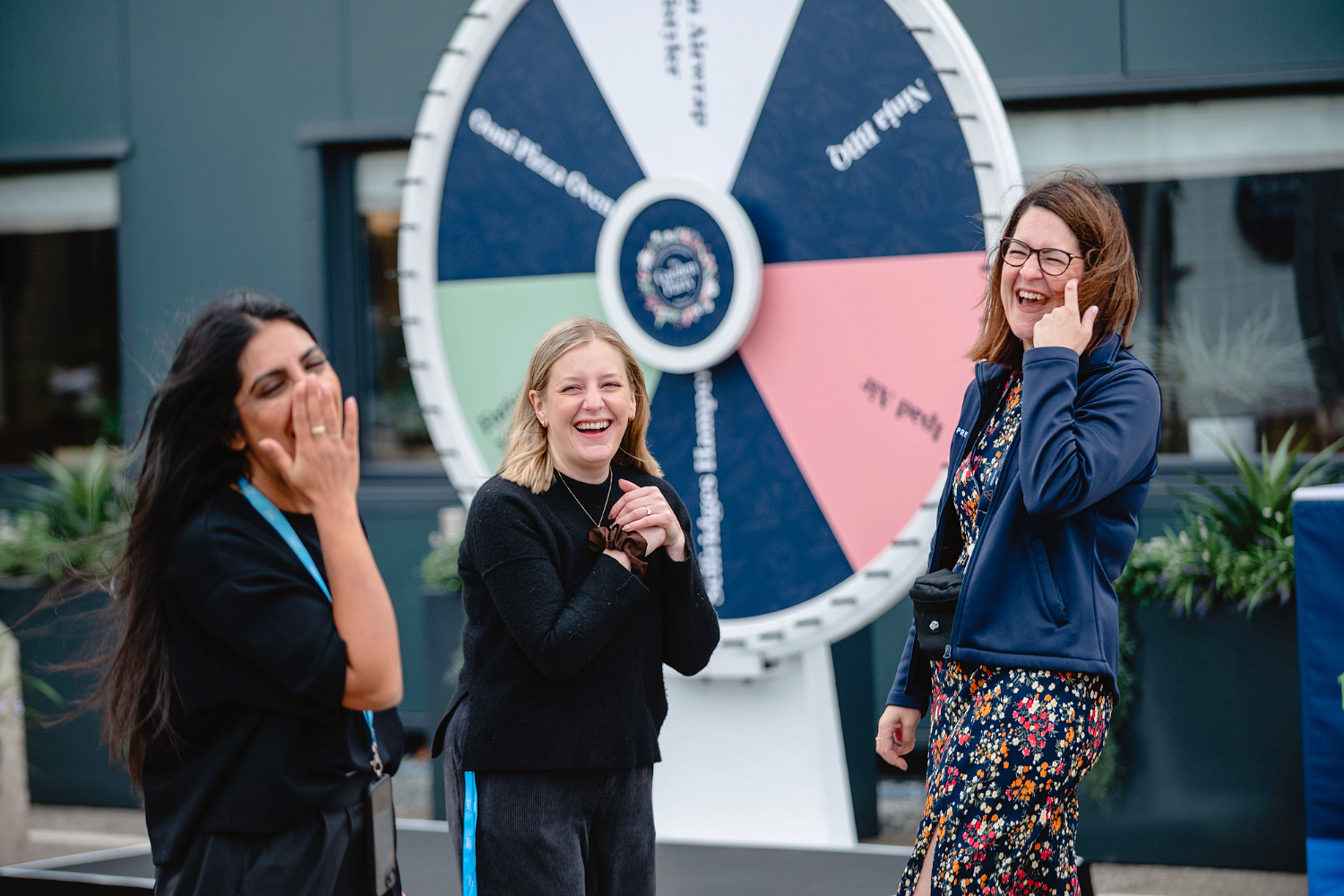
- Interactive content
- Immersive event technology
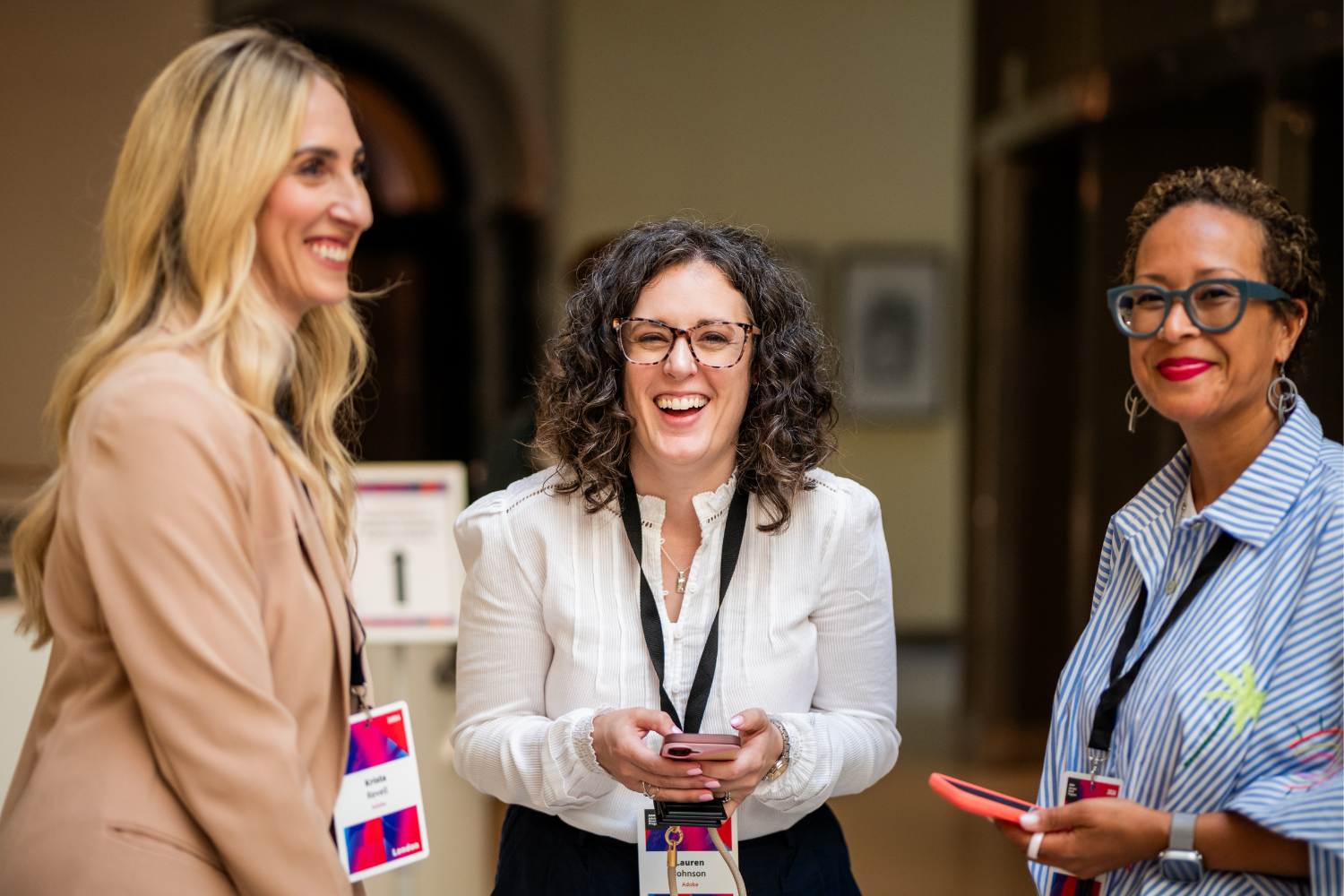
- Networking opportunities
- Creative environments
- Personalised attendee experiences
The brands getting it right are designing events around people, not presentations. Because the more connected audiences feel during an experience, the more connected they feel to the brand behind it.
Want to understand how events are changing marketing?
Download our guide: “The Changing Role of Events in Marketing”.
Discover how leading brands are using event marketing, brand experience and audience engagement strategies to drive long-term impact.
Looking for a leading corporate event agency to elevate your event strategy?
At First Event, we create strategic, meaningful corporate events and brand experiences that build momentum long after it ends.
From immersive experiential activations and incentive travel to conferences, production and event content creation, our team delivers impactful events designed around your audience, your objectives and your future growth.
Get in touch with our leading event agency to discover how a long-term event strategy can transform your brand experience.