July 31, 2026
Best Event Marketing Channels in 2026
The days of simply announcing an event and waiting for registrations are over.
In 2026, successful event marketing is about creating demand, building communities and turning one event into hundreds of meaningful interactions. The best event marketers don’t just promote an event.
They create a journey:
Awareness → Engagement → Attendance → Advocacy
In this guide, we’ll explore the most effective event marketing channels in 2026 and how to use them strategically.
1. Social media: build anticipation before your event
Social media is one of the strongest tools for creating event momentum. But the biggest mistake brands make is only posting when tickets go live. A successful social strategy starts much earlier.
Use social media to:
Before:
- Introduce speakers
- Share behind-the-scenes content
- Create countdown moments
During:
- Share live updates
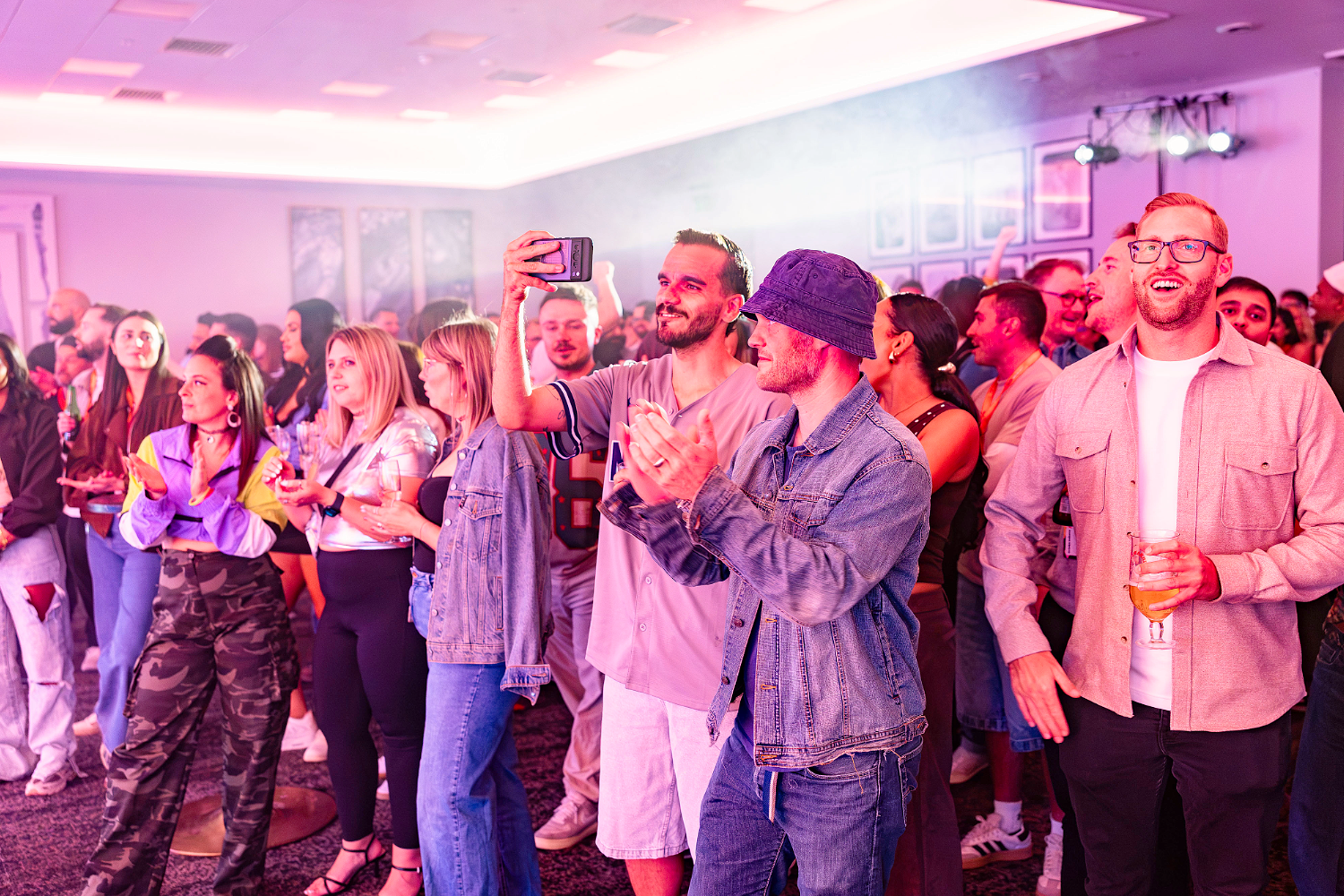
- Capture attendee reactions
- Encourage conversations
After:
- Share highlights
- Repurpose content
- Continue engagement
Takeaway: Don’t treat social media as promotion. Treat it as storytelling.
2. Video marketing: turn your event into a content engine
Your event shouldn’t create content for one day. It should create content for months.
A single event can generate:
- Short social clips
- Speaker interviews
- Customer testimonials
- Highlight films
- YouTube content
- Sales assets
Content idea: One keynote session could become:
- 1 long-form video
- 5 LinkedIn clips
- 10 social posts
- 1 blog article
- 1 sales resource
Takeaway: Plan your content capture before your event starts.
3. SEO: get found before people are ready to buy
Search behaviour is changing.
People are asking Google and AI tools questions about events and brands, and your website needs to answer them.
Build SEO through:
✔ Helpful blogs
✔ Event case studies
✔ FAQ content
✔ Optimised service pages
✔ Industry insights
Takeaway: Don’t just market your event. Create content that helps your audience make decisions.
4. Email marketing: nurture your audience
Email remains one of the most effective channels because it creates direct communication.
A strong event email journey includes:
- Awareness: “Save the date”
- Consideration: “Meet the speakers”
- Conversion: “Register now”
- Experience: “Here’s what to expect”
- Follow-up: “Relive the highlights”
Takeaway: Your event marketing shouldn’t stop once someone registers.
5. Paid media: amplify what works
Paid advertising works best when it supports strong content.
Use paid channels to:
1. Reach new audiences
2. Promote key speakers
3. Retarget website visitors
4. Drive registrations
Popular channels include:
- LinkedIn Ads
- Google Search
- YouTube Ads
- Display advertising
Takeaway: Use paid marketing to accelerate demand, not replace strategy.
6. Community and partnerships: build trust
People trust recommendations more than adverts. Working with:
- Speakers
- Industry experts
- Partners
- Customers
- Internal advocates
can dramatically increase reach.
Takeaway: Your audience is your biggest marketing channel.
The 2026 event marketing checklist
Before launching your campaign, ask:
✅ Do we know our audience?
✅ Do we have a clear reason for people to attend?
✅ Are we creating content before, during and after the event?
✅ Are we optimising for search?
✅ Are we measuring impact beyond attendance?
Key takeaways:
✔ The best campaigns use multiple channels together
✔ Video should be planned from day one
✔ SEO helps you get discovered earlier in the buying journey
✔ Social media builds community, not just awareness
✔ Your event is a content opportunity, not a one-day activity
Final thoughts
The future of event marketing is integrated. The strongest brands combine creativity, content and technology to create experiences that live beyond the event itself.
The event isn’t the finish line. It’s the starting point for conversations, content and connections.
At First Event, we help brands create experiences that deliver impact before, during and long after the event.