April 2, 2026
Creativity Is the Experience: Stop Designing Events, Start Designing Connection
Most event planners spend a lot of time focusing on staging, lighting and schedules – and of course, those things matter. But when you think about the events you’ve attended, what really sticks?
It’s not the set design or the running order. It’s how the event made you feel.
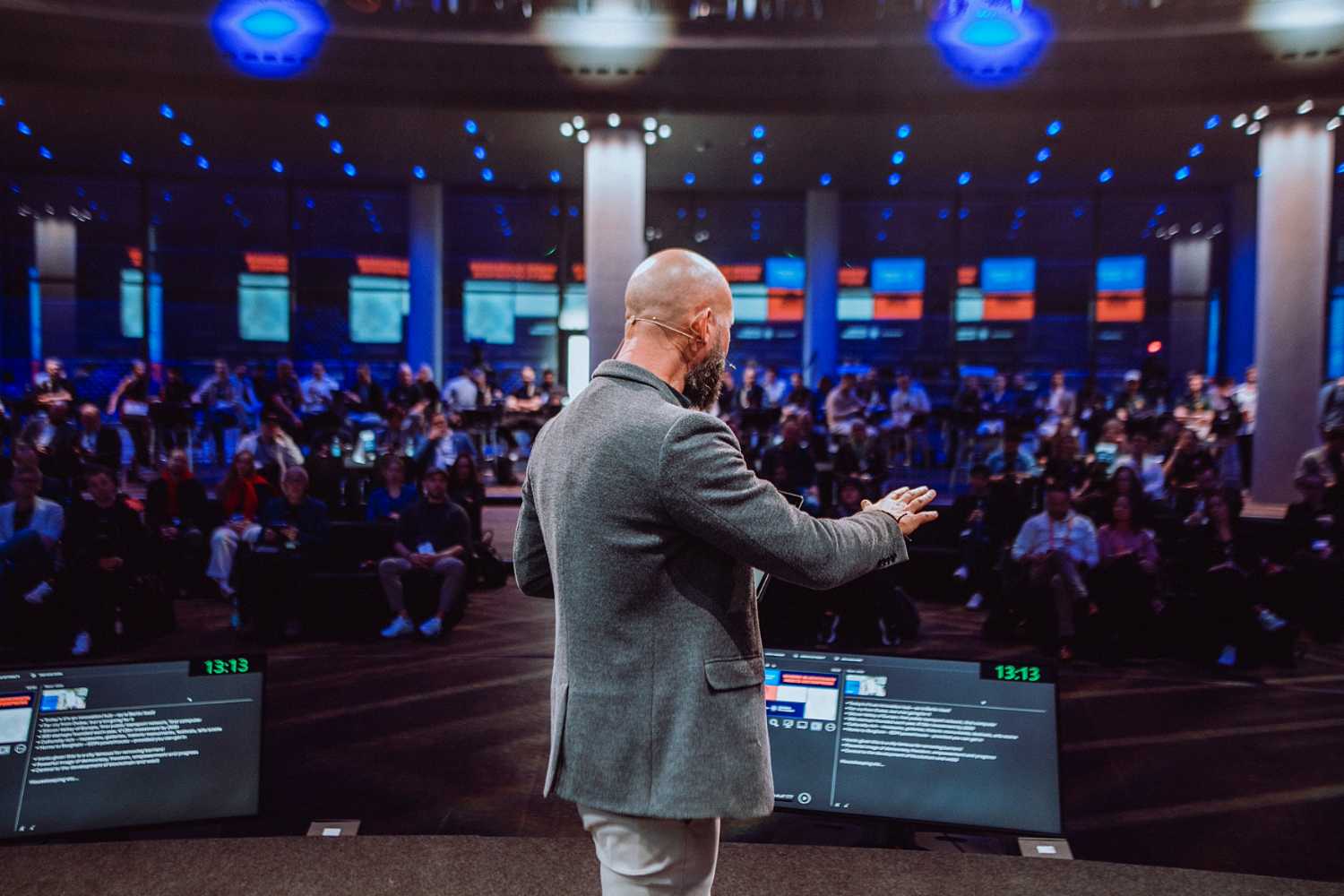
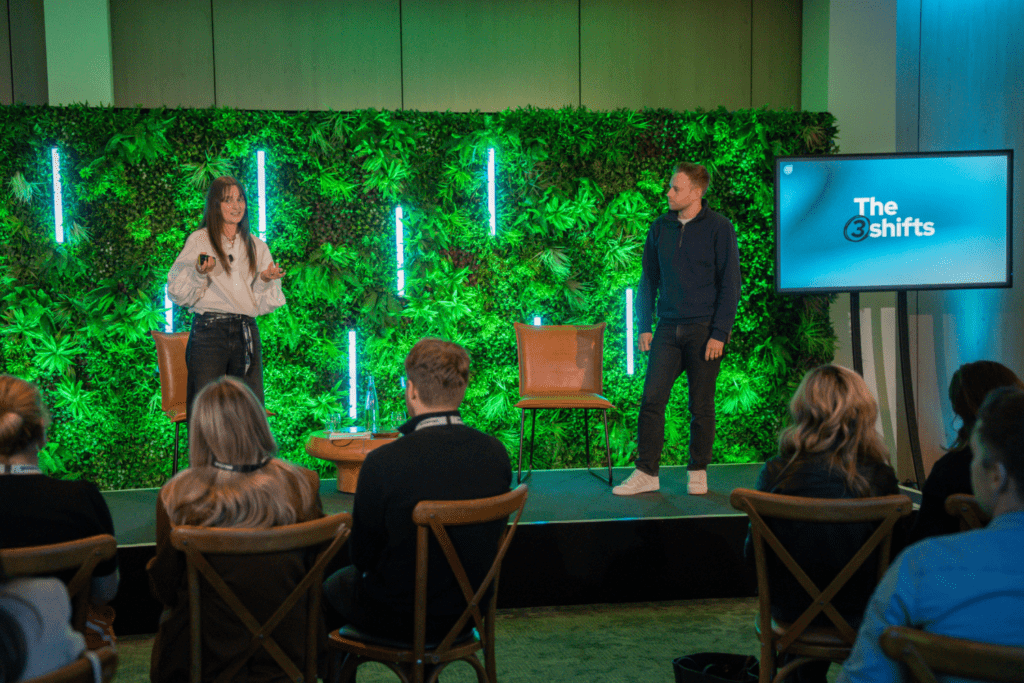
That’s exactly what our Head of Tech & Innovation, Max, and Head of Creative Strategy, Chloe, explored in their session “Creativity Is the Experience: Stop Designing Events, Start Designing Connection” at Micebook’s Northern Edition.
Together, they challenged the room to rethink what great event design really means, shifting the focus away from just production and aesthetics, and towards something far more powerful: human connection.
What’s broken with traditional event design?
Traditional event management focuses on outputs: stages, formats, run-of-show and production value.
But attendees don’t leave your event talking about the lighting rig. They leave talking about moments. Conversations. Energy.
As highlighted in the session, the industry default is to equate creativity with aesthetics, but the real gap is emotional impact.
The best event strategy today doesn’t ask: “What will this look like?” It asks: “What will this feel like?”
That’s the difference between an event and an experience.
So what does “designing for connection” actually mean?
Designing for connection means shifting your entire event planning mindset, from logistics-first to people-first.
It’s about intentionally designing:
- How people enter a space
- How they interact
- How they feel at different moments
- How they connect with ideas, brands and each other
Because the most memorable corporate events aren’t built on agendas, they’re built on emotional journeys.
For any event agency or event planner, this is the new competitive edge.
What are the 3 shifts that are changing event strategy?
At the heart of the session is a simple but powerful framework: The 3 shifts.
1. How do you move from atmosphere to feeling?
Instead of designing the room, design the emotional arc.
Ask: What should attendees feel at minute one vs minute thirty of the event experience?
For example, onboarding moments that turn strangers into insiders before the event even starts create an immediate connection, something no amount of event production can replicate.
This is where great event design becomes great experience design.
2. How do you shift from format to participation?
Most corporate event formats are passive: panels, presentations and keynote-heavy agendas.
But modern event trends show that participation drives engagement.
Ask: Where are people just watching? And how could they be part of it?
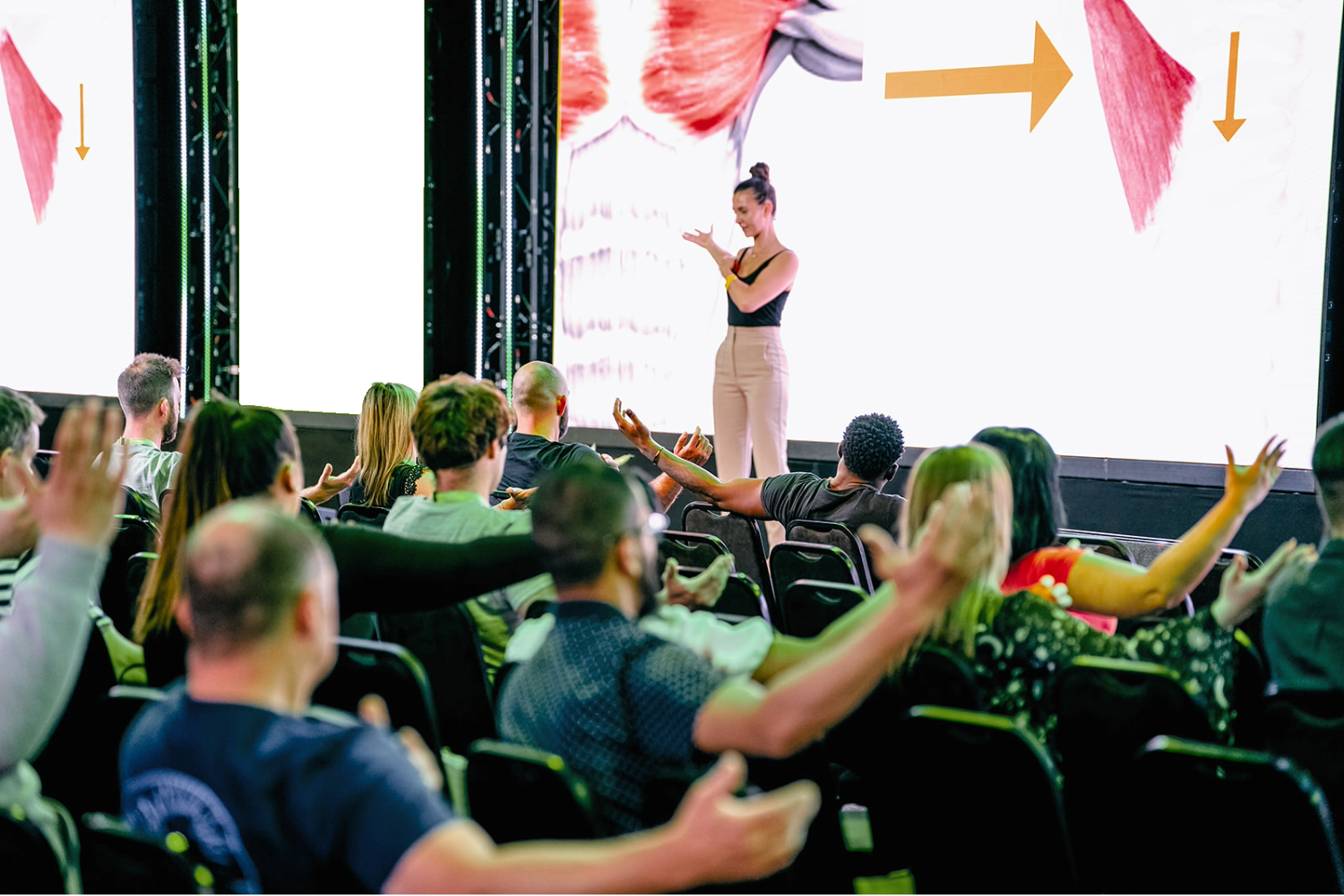
Replacing panels with structured conversations transforms attendees from observers into contributors, turning every seat into the front row.
For event marketing, this is gold: engagement = memorability.
3. How do you create momentum, not just moments?
Anyone can design a moment. The best event agencies design momentum.
Momentum is built through contrast, surprise and intention.
Ask: What’s the one moment people will still talk about in three months?
This “momentum anchor” becomes the heartbeat of your entire event strategy, the thing that carries beyond the room and into long-term brand impact.
Why does event technology matter more than ever?
Event technology shouldn’t be the hero, it should be the enabler.
Max’s perspective reframes innovation: tech only matters if it enhances human connection.
That means:
- Using data to personalise experiences
- Designing hybrid and digital touchpoints that feel human
- Creating real-time interaction, not passive consumption
The future of event production isn’t more tech, it’s smarter, more intentional tech that serves the experience.
How can you apply this to your next corporate event?
One of the most practical parts of the session was a live exercise: redesigning a standard corporate event brief.
A typical brief:
- 200-person conference
- Keynote + networking drinks
- “Make it feel premium”
The challenge? Apply just one of the three shifts.
The result? Completely different event concepts; more human, more engaging, more memorable.
This proves something important for event planners and brands alike: You don’t need more budget. You need a better question.
What is the one question that changes everything in event planning?
Before signing off any event strategy, ask:
What’s the one thing we want people to feel that they couldn’t feel anywhere else?
That single question reframes:
- Event design
- Event marketing
- Event production
- Event technology
And turns your event from something people attend… into something they remember.
As the session reinforced, this isn’t about adding more. It’s about thinking differently.
Why are experience-led events the future of event marketing?
Because attention is harder than ever to earn, and even harder to keep.
The corporate events that win today:
- Prioritise connection over visual polish
- Design participation over presentation
- Create substance over style
This is the shift shaping modern event trends, and the standard every leading event agency should be designing toward.
Ready to create experiences your audience will remember?
If you’re planning a corporate event and want more than just great logistics, if you want real connection, real engagement and real impact, that’s where we come in.
Get in touch with our event team to start designing experiences, not just events.