September 15, 2026
Why Your Best Event Moment Probably Wasn’t the One You Planned
Memorable event experiences
We spend weeks planning events down to the smallest detail.
- The running order.
- The lighting cue.
- The reveal.
- The keynote.
- The entertainment.
- The branded touchpoints.
- The perfect photograph.
And then, months later, when you ask someone what they remember? It probably isn’t the thing you spent the most time perfecting.
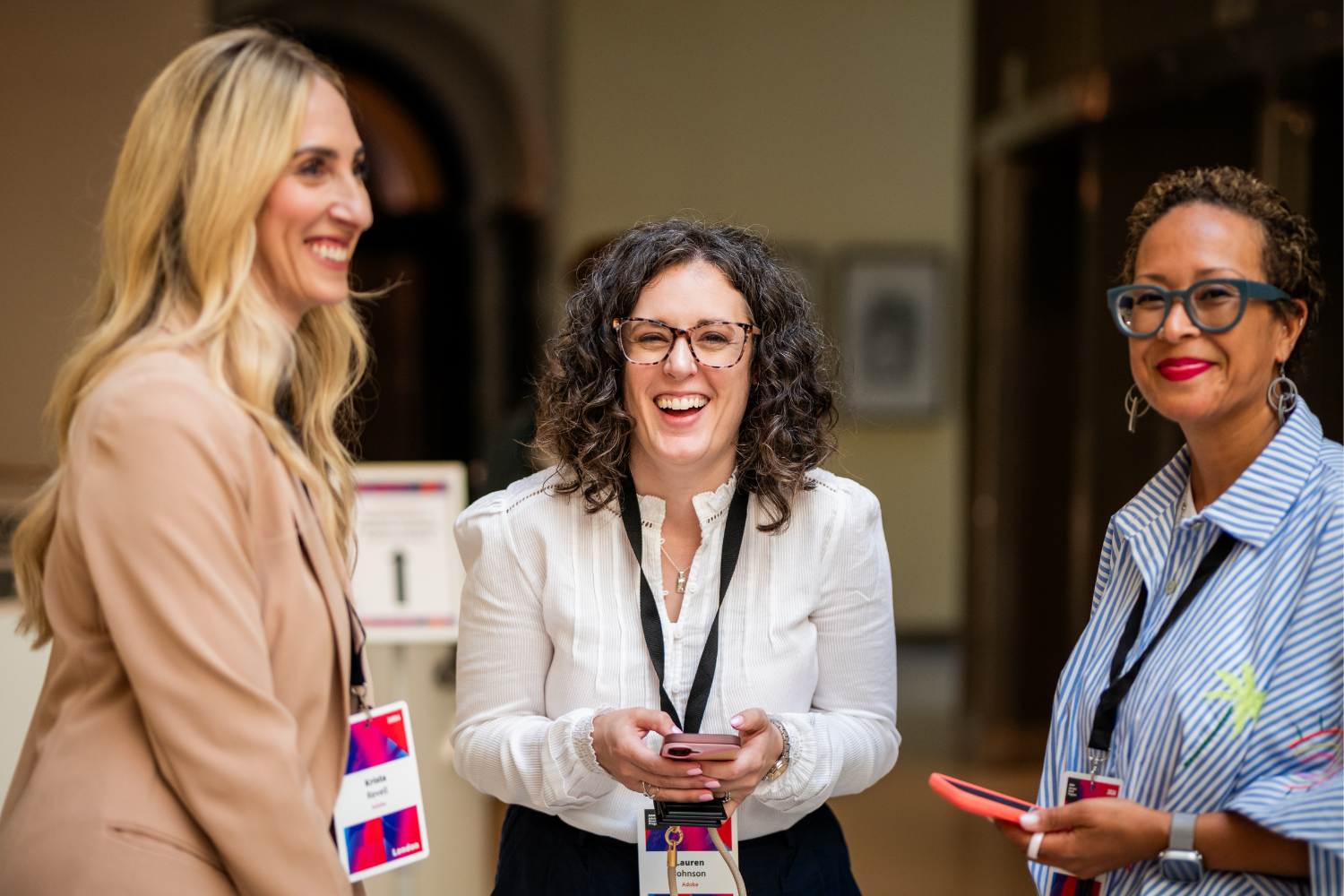
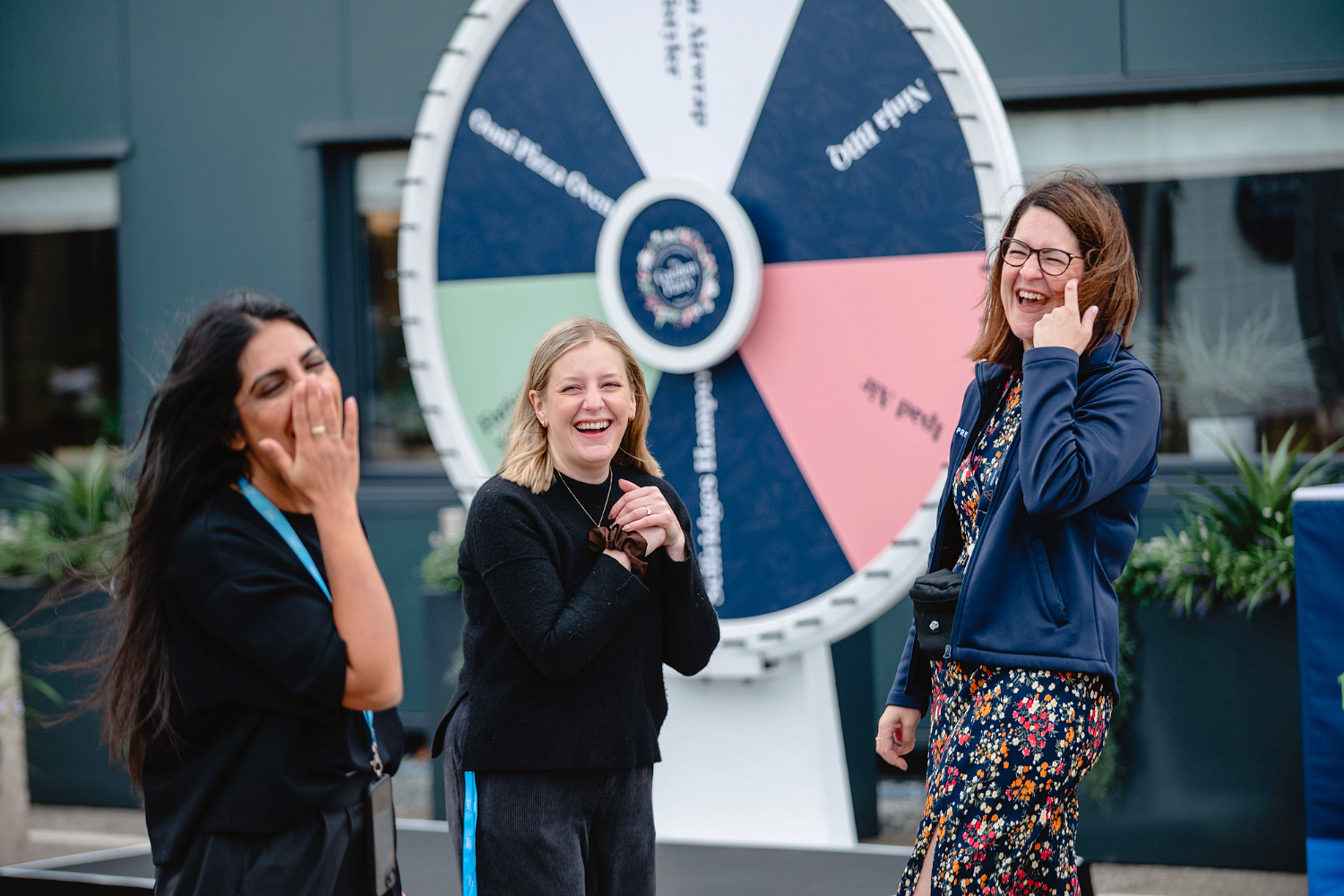
It might be the conversation they had with someone they’d never met. The moment everyone started laughing. The unexpected interaction. A speaker saying something that genuinely changed their perspective. The feeling of walking into a room and knowing they were part of something. Because the best event moments aren’t always the ones you plan.
So, if the most memorable parts of an experience aren’t necessarily the biggest or most polished, what can event teams actually do about it?
1. Design for a feeling, not just a run of show
An event agenda tells you what is happening.
It doesn’t tell you how people should feel.
Before getting into the details, define the emotional journey you want your audience to go on.
Do you want them to feel:
- Curious when they arrive?
- Energised after the opening?
- Challenged by the content?
- Connected to other attendees?
- Inspired to do something differently?
- Proud to be part of the community?
Then use those feelings to inform the experience.
It can change everything from the arrival experience and content to the room design, interactions and final takeaway.
Try this: Before writing the agenda, write down three feelings you want people to leave with. Use them as a filter for every major experience decision.
2. Build in moments people can participate in
There’s a big difference between watching an experience and being part of one. Audiences can sit through a perfectly produced keynote and still remain passive. Participation changes that.
Give people opportunities to contribute, choose, create, respond, connect or influence what happens around them.That could mean interactive content, live polling, challenges, facilitated conversations, creative activations or simply designing more opportunities for genuine human interaction.
The important thing is that participation shouldn’t be there just because it’s interactive. It should make the audience feel like they have a role in the experience.
Try this: Look at your agenda and highlight every point where the audience is actively doing something. If most of the highlights are happening to them rather than with them, there’s an opportunity to rethink the experience.
3. Leave room for the unexpected
Not every memorable moment needs to be a spectacular surprise. Sometimes it’s the small things that break the pattern.
An unexpected conversation. A speaker going off-script. A spontaneous interaction. A detail that makes someone feel genuinely understood.
The trick is not trying to manufacture spontaneity. It’s creating an environment where it has room to happen. That means avoiding an experience that is so tightly controlled that there is no space for people to make it their own.
Try this: Build deliberate moments of flexibility into your experience. Give your team permission to respond to what’s happening in the room rather than blindly sticking to the plan.
4. Give people something worth talking about
A memorable experience shouldn’t stop at memory.
It should give people a reason to tell someone else about it.
That doesn’t necessarily mean creating something designed purely for social media. It means creating something with story value.
- A surprising moment.
- A strong opinion.
- A brilliant piece of content.
- A shared experience.
- Something useful.
- Something funny.
- Something that makes someone think, “You should have been there.”
This is where a physical experience can start to become something much bigger: moving from experience → conversation → content → sharing.
Try this: Ask yourself before the event: “If an attendee tells someone about this tomorrow, what will they say?” If you don’t have a clear answer, you may not have found your story yet.
5. Stop measuring memorable experiences by satisfaction alone
Post-event surveys often ask some version of: “Did you enjoy the event?” That’s useful. But it’s only the beginning. If the goal is to create experiences that have lasting impact, we need to think beyond satisfaction.
Ask:
- – Did they remember it?
- – Did they talk about it?
- – Did they share it?
- – Did they feel more connected to the brand?
- – Did they change their behaviour?
- – Did they take action?
Because a successful experience isn’t simply one that people enjoyed while they were there. It’s one that continues to do something after they’ve left.
The takeaway: Don’t just design the event. Design the memory.
The biggest lesson is perhaps the simplest: You can’t completely control what people remember. But you can create the conditions for memorable moments to happen.
- Design around emotion.
- Give people a role.
- Leave room for the unexpected.
- Create something worth talking about.
- And measure what happens beyond the room.
Because the value of an event isn’t simply what happens during it.
It’s what happens because of it. That’s the Experience Effect: the journey from Memory → Conversation → Content → Sharing → Advocacy → Behaviour → Commercial Impact.
And sometimes, the moment that creates the biggest impact won’t be the one that took the longest to plan. It’ll be the one people couldn’t stop talking about afterwards.
At First Event, we create experiences designed around what people actually feel, do and remember, not just what happens on the agenda. If you’re planning an event and want to make it genuinely memorable, let’s talk.