May 12, 2026
How to Design Meaningful Events in the New Experience Economy – Your Questions Answered
The experience economy isn’t slowing down. It’s becoming far more selective and intentional.
Audiences are no longer comparing your event to other events. They’re comparing it to everything else competing for their attention, time and energy.
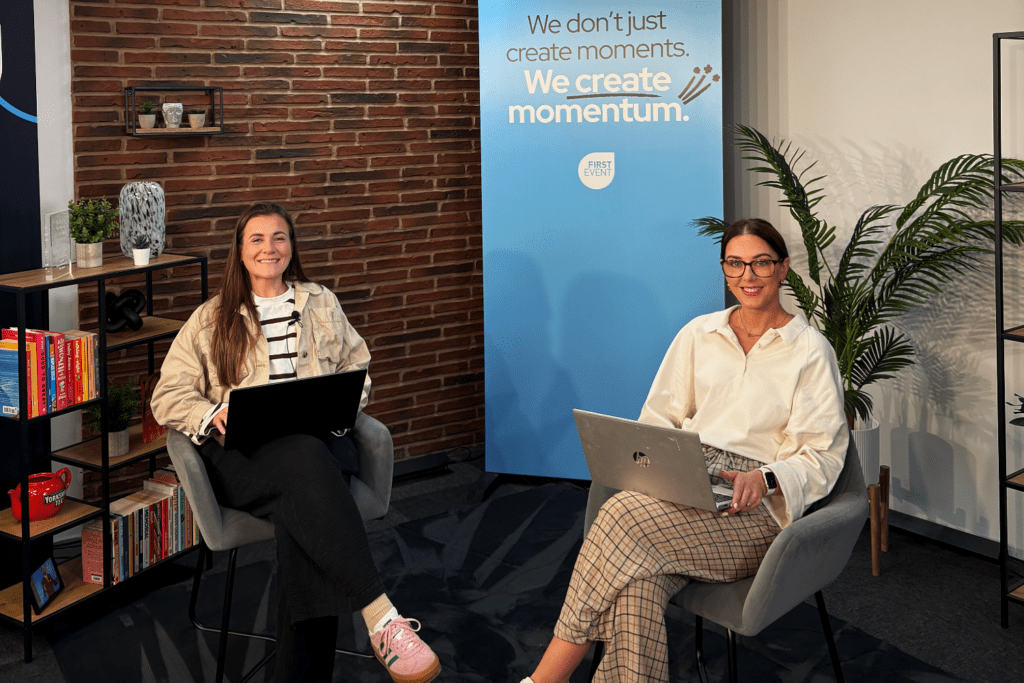
After our recent webinar on the experience economy, we were asked a series of questions that cut straight to the core of what’s changing in event strategy and design. Let’s get into it.
1. Are we witnessing a permanent shift from entertainment to restoration, or is this a reaction to burnout?
It’s not just a reaction to burnout, it’s a deeper shift in how people want to experience time together.
Energy still matters, but the way it’s designed has changed. Events are no longer about constant highs. They’re about rhythm. Moments of energy balanced with moments of pause. That might look like quieter environments that people actually use, or simply better pacing between content so audiences aren’t overloaded.
2. What does a “meaningful experience” actually look like in practice?
Meaningful isn’t a buzzword in practice, it’s quite specific.
It’s when someone can connect what’s happening in front of them to something that matters to them personally or professionally. That might come through storytelling that feels honest rather than polished, or formats where people are actively involved rather than passively watching.
The shift is away from content delivery and towards experiences people can see themselves in.
3. What role does anticipation and storytelling play before the event even begins?
More important than most event planners realise. The experience doesn’t start when people walk into the room. It starts when they first hear about it. The way you build anticipation shapes how people show up emotionally.
We’re seeing stronger events treat this stage as part of the experience itself, not just event marketing as a separate entity. That could be through layered storytelling, early involvement, or more personalised journeys that reflect different audiences.
By the time the event starts, the tone has already been set.
4. How do you build moments of stillness without losing engagement?
Stillness only becomes a problem when it isn’t designed properly. When it is intentional, it actually deepens engagement. People don’t need constant stimulation, they need space to process what they’ve taken in. Without that, everything blends together.
The most effective events are now building in pauses that feel purposeful, not empty. That might be a quiet moment after a heavy session, or a slower narrative segment that gives people time to absorb and reflect. It’s not about slowing things down. It’s about helping things land.
5. Can smaller budgets still deliver high-impact experiences?
Impact isn’t about scale. It’s about clarity. When budgets are tighter, decisions tend to be more focused, and that often leads to stronger creative direction.
What matters is consistency. A clear idea carried through every touchpoint, thoughtful use of space and production, and a strong understanding of who the audience is and why they’re there.
When those things align, the experience feels intentional. And that’s what people remember.
6. How do you create deeper connections between attendees?
Traditional networking is struggling because it’s too unstructured and too performative.
Real connection happens when people have context, when conversations start from something shared.
That’s why more effective formats now use guided interaction, shared prompts or collaborative moments that give people something to build together. It removes the pressure of “networking” and replaces it with something more natural. Connection becomes a by-product, not a task.
7. Are traditional KPIs still relevant?
They still have a place, but they’re no longer enough on their own. Attendance and engagement tell you what happened, but they don’t tell you what changed. And that’s the real question now.
We’re seeing a shift towards measuring outcomes like behaviour change, sentiment shifts, internal alignment and long-term influence. Things that actually show whether the experience made a difference beyond the room.
8. What does “lasting impact” actually mean?
It’s when an event doesn’t stay as a moment in time. You see it when people reference it weeks or months later, when it influences decisions, shifts conversations, or changes how teams think or act.
If it disappears once it’s over, it was just an event. If it stays present, it had impact.
9. What assumption about events today will be outdated soon?
That bigger audiences equal better outcomes.
We’re moving towards a more precise model. Smaller, more aligned audiences are often delivering stronger engagement and better business results because the experience feels more relevant. Scale is no longer the default measure of success. Relevance is.
10. How can a small business still create a high-end experience?
Luxury today isn’t about production value, it’s about coherence. It comes from how seamless the experience feels, how considered the journey is, and how personal it feels to the people in the room.
When every detail feels intentional, even simple formats can feel premium.
11. Is exclusivity helping or hurting community-building?
When it creates clarity and shared purpose, exclusivity can strengthen belonging. But when it becomes a barrier for its own sake, it limits growth and diversity of thought.
The most effective approach now is selective depth, not closed access. Open enough to invite the right people in, but curated enough to keep the experience meaningful.
Final thought: where is this all heading?
What emerged clearly from our webinar is that we’re entering a more intentional era of experiences.
The future of events isn’t louder, bigger or more complex. It’s clearer, more human and more considered.
At First Event, this thinking is at the heart of our work and explored in depth in The Evolution of the Experience Economy insights report, where we unpack how event strategy, event technology and event management are shifting in response to changing audience expectations.
And if you’re exploring how to evolve your own event strategy, from internal communications to global brand experiences, get in touch with our expert event team.