
September 26, 2021
What Is Event Marketing and Why Is It Important?
Event marketing is a strategic approach that uses live, virtual or hybrid experiences to connect brands directly with their audiences. It’s one of the most powerful tools in modern event strategy because it creates real, memorable interactions, not just passive impressions.
The UK events industry alone is worth approximately £70 billion annually and supports over 700,000 jobs. Conferences and business meetings contribute £18.3 billion, proving that corporate events are not just experiences, they are serious business drivers.
For organisations investing in event marketing, the impact goes far beyond the event itself. A well-planned event strengthens brand perception, generates qualified leads, builds trust, and creates meaningful engagement that traditional digital marketing alone cannot achieve.
This is why businesses increasingly partner with an experienced event agency to deliver strategic, measurable, and high-impact events that support wider marketing and commercial goals.
How does event marketing work within a modern event strategy?
Event marketing works by creating opportunities for audiences to actively engage with your brand, rather than simply seeing or hearing about it.
A strong event marketing strategy combines:
- Strategic event planning aligned with business objectives
- Creative event design that reflects brand identity
- Seamless event management and logistics
- Innovative event technology to enhance engagement
- High-quality event production to deliver impact
Together, these elements transform events into powerful marketing channels that drive awareness, engagement and measurable ROI.
Whether it’s a leadership conference, product launch, or client experience, events allow brands to communicate their value in a way that feels human, immersive and authentic.
What types of event marketing are most effective?
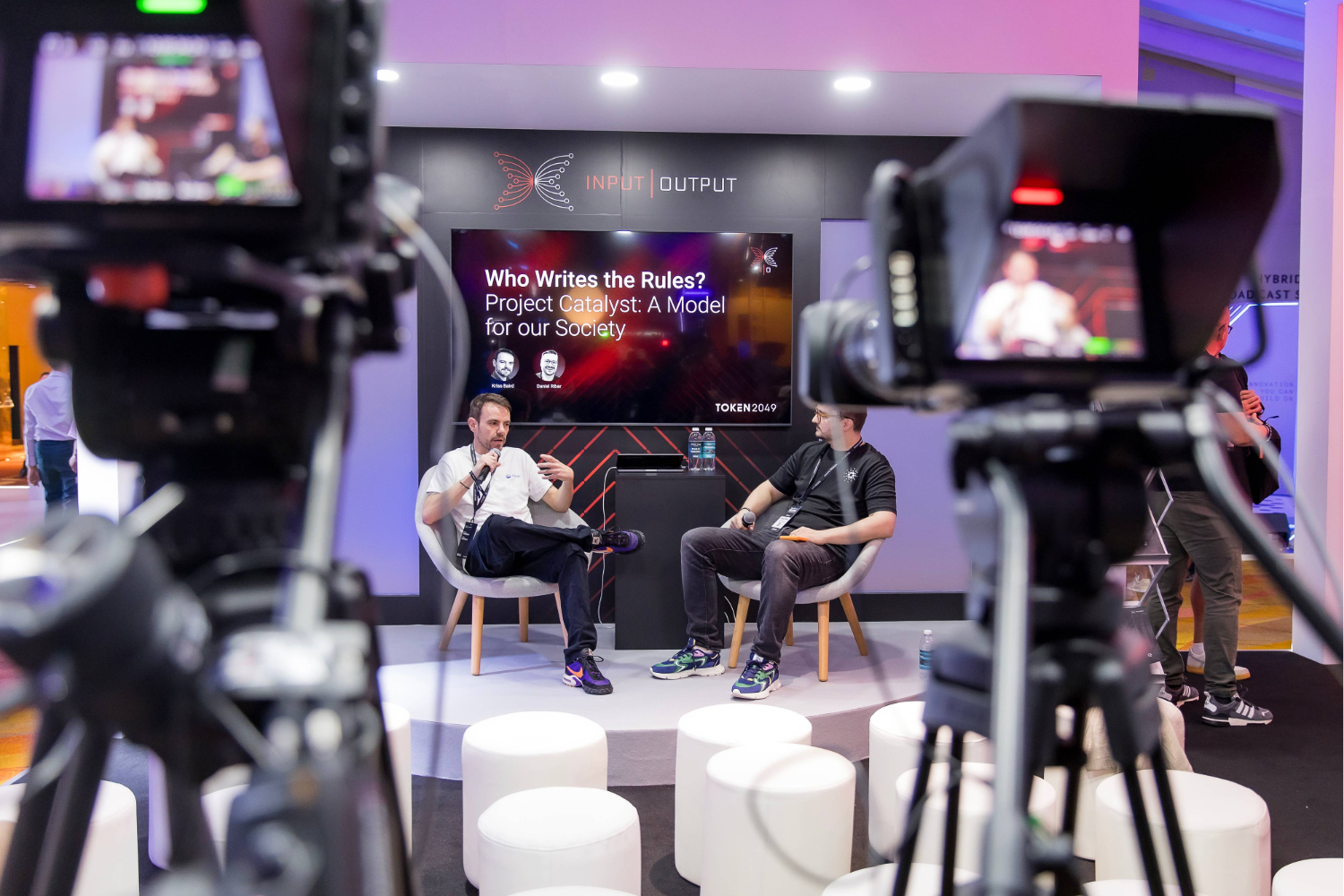
The most effective event marketing strategies use a mix of in-person, hybrid and virtual event formats to reach audiences wherever they are. In-person events remain one of the most impactful forms of event marketing because they create genuine human connection.
Examples include:
- Corporate conferences
- Leadership summits
- Product launches
- Experiential brand activations
- Networking events
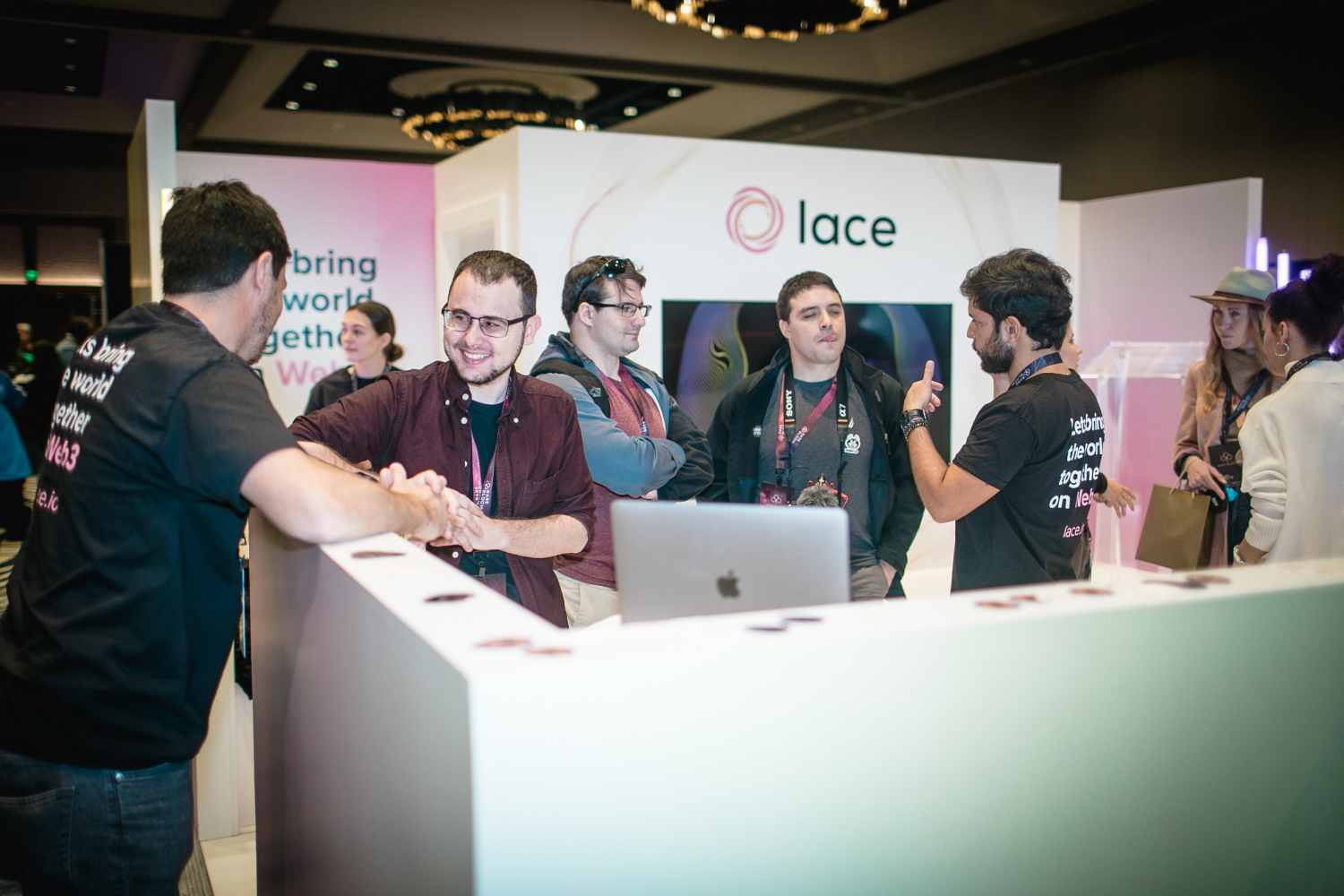
Face-to-face experiences allow for deeper engagement, stronger emotional connection, and more memorable brand interactions, all critical for building trust and loyalty.
What is virtual event marketing and how does event technology support it?
Virtual event marketing uses digital platforms and event technology to deliver experiences online.
This can include:
- Virtual conferences and summits
- Online product launches
- Digital exhibitions
- Virtual networking sessions
Advanced event technology such as bespoke event platforms, live streaming, audience polling, and AI-driven networking ensures virtual events remain interactive, engaging, and highly scalable.
Virtual events are also cost-efficient and accessible, making them a valuable component of any corporate event strategy.
Why are hybrid events one of the biggest event trends?
Hybrid events combine in-person and virtual experiences, giving audiences the flexibility to attend in the way that suits them best.
This approach expands reach, improves accessibility and maximises ROI by engaging both physical and digital audiences simultaneously.
Hybrid events are now considered a core event trend because they allow organisations to:
- Reach global audiences
- Increase attendance
- Extend event lifespan through on-demand content
- Collect valuable audience data
For many organisations, hybrid event production is now the gold standard.
What is experiential marketing and how does event design bring it to life?
Experiential marketing focuses on creating immersive, memorable experiences that put the audience at the centre.
Rather than simply telling audiences about a brand, experiential event design allows them to experience it.
This might include:
- Immersive environments
- Interactive content and technology
- Multi-stage conferences with personalised journeys
- Creative staging, lighting, and visual storytelling
This approach strengthens emotional connection, which significantly improves brand recall and long-term loyalty.
An experienced event planner or event production agency ensures every design element supports both the creative vision and the strategic objective.
Why is event marketing essential for business growth?
Event marketing plays a critical role in driving business results.
According to industry research, 95% of marketers believe live events help achieve business goals, while hybrid and virtual events continue to grow as essential tools within modern event strategies.
Event marketing helps businesses:
How does event marketing generate high-quality leads?
Events attract highly engaged audiences who are actively interested in your brand, making them more likely to convert into customers.
Face-to-face engagement builds trust faster than digital channels alone.
How does event marketing improve audience engagement?
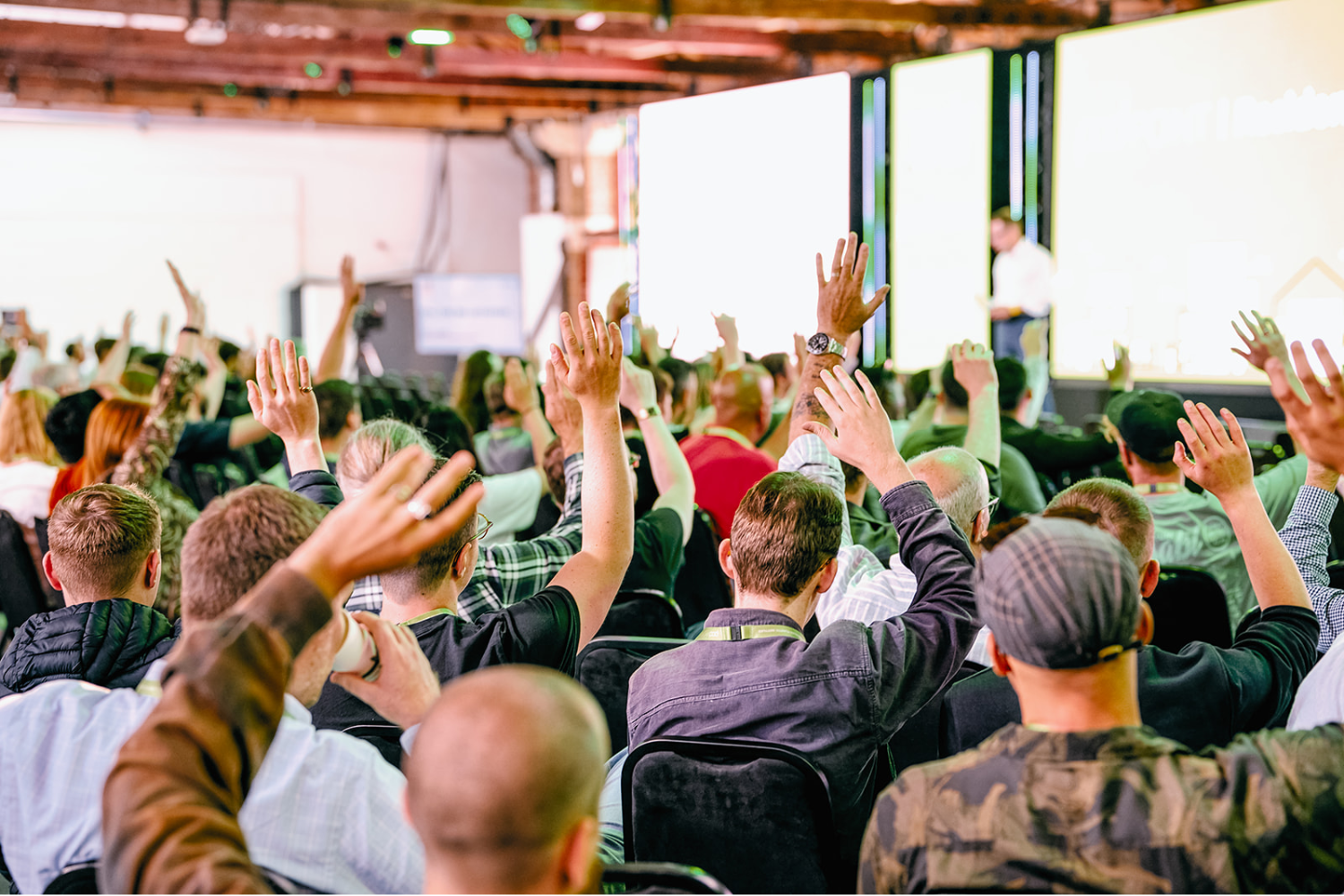
Events create meaningful, two-way interactions that strengthen relationships and improve brand perception.
This level of engagement is difficult to replicate through traditional marketing channels.
How does event marketing strengthen brand awareness?
Well-executed event design and production create memorable experiences that audiences associate positively with your brand.
This improves brand recognition, reputation, and credibility.
How does event marketing support wider marketing strategy?
Events generate valuable content that can be repurposed across:
- Social media
- Email marketing
- Websites
- Sales enablement
This extends the impact of your event long after it ends.
How does event marketing help businesses stay competitive?
Organisations that invest in event strategy and event technology are better positioned to:
- Build stronger client relationships
- Showcase innovation
- Differentiate from competitors
Events provide a platform to demonstrate leadership, expertise, and vision.
Why should you work with an event agency to deliver event marketing?
Delivering successful event marketing requires specialist expertise across event strategy, event design, event management, and event production.
An experienced event agency helps you:
- Align events with business objectives
- Deliver seamless event planning and execution
- Integrate the latest event technology
- Create engaging, memorable audience experiences
- Measure and optimise event performance
Working with a strategic event management partner ensures your event delivers real business impact, not just attendance.
How can you get started with event marketing for your next corporate event?
If you want to understand how leading brands are using event marketing, event technology, and experiential event design to drive measurable business results, our latest guide breaks it all down.
In The Changing Role of Events in Marketing, our event strategy experts at First Event explore how corporate events have evolved from one-off moments into powerful, always-on marketing channels that generate engagement, build trust, and accelerate growth.
You’ll discover:
- How events fit into a modern marketing strategy
- The biggest event trends shaping corporate events
- How to use event technology to increase engagement and ROI
- How to design events that create lasting brand impact
- How to turn your events into long-term marketing assets
Ready to create an event that drives results?
Your event deserves more than logistics, it deserves strategy, creativity and impact.
Get in touch with our event team to start planning a high-impact corporate event that delivers measurable results. Whether you need support with event strategy, event design, event production, or full event management, we’re here to help you create experiences your audience will never forget.