March 30, 2020
What Are the Different Types of Virtual Events?
Corporate events aren’t just “in-person or nothing” anymore. Today’s audiences expect flexibility, interaction, and experiences that actually feel worth their time, whether they’re in the room or logging in from across the world.
That shift has pushed virtual events and hybrid events right to the centre of event strategies. And it’s not just about convenience. It’s about reach, inclusivity, and smarter event marketing powered by event technology.
So if you’re planning a corporate event, building out your event management approach, or looking for an event agency that actually gets how audiences think now, here’s your breakdown of the main types of virtual events, and how they’re used in real-world event production.
What actually is a virtual event?
A virtual event is any event delivered in a digital environment instead of a physical venue. But that definition barely scratches the surface.
Today’s virtual events are fully designed brand experiences. They can include live streaming, interactive tools, networking spaces, gamification, breakout rooms, and on-demand content—all built through advanced event technology platforms.
In other words: this isn’t just Zoom with a logo slapped on it. Done properly, virtual events are immersive experiences in their own right.
Virtual conferences and summits (the full-scale digital experience)
Virtual conferences are the closest digital equivalent to large-scale in-person events.
Think keynote speakers, breakout sessions, multiple content tracks, and real-time engagement, all delivered through a structured virtual event platform.
From an event production perspective, this is where event design and event technology really come together. Attendees can:
- Join live or on-demand sessions
- Take part in Q&As, polls, and chat networking
- Move between digital “rooms” or tracks
- Access content long after the event ends
For event planners, this format is ideal for global audiences, internal communications, or multi-market event marketing campaigns where scale and consistency matter.
Webcasts (one-to-many storytelling at scale)
Webcasts are all about reach.
Unlike interactive conferences, a webcast is a one-to-many broadcast—perfect for high-impact messaging where the focus is delivery, not discussion.
Common uses include:
- Product launches
- Company-wide announcements
- Leadership updates
- Global town halls
From an event management perspective, webcasts are often used when clarity and control matter more than interaction. But with strong event production, they can still feel polished, branded, and surprisingly engaging.
Webinars (where virtual events get interactive)
Webinars are the “talk with your audience, not at them” format.
They blend presentation with interaction, making them a go-to for:
- Training and onboarding
- Thought leadership sessions
- Sales enablement
- Educational content and e-learning events
With the right event technology, webinars become surprisingly powerful. Live chat, breakout discussions, and audience Q&A turn them into real-time learning environments, without the travel, cost, or logistics of physical venues.
For many brands, webinars are a core part of ongoing event marketing strategy rather than one-off moments.
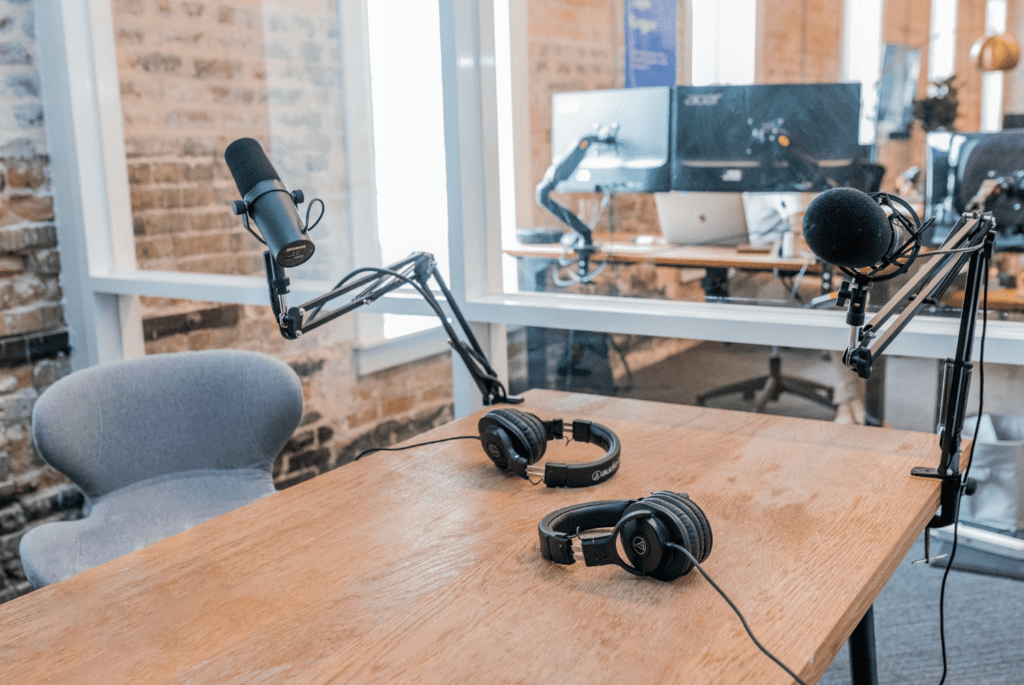
Podcasts and audio-led events (underrated but powerful)
Not every event needs a screen.
Audio-first experiences like podcasts or live audio streams are increasingly used in creative event strategies—especially when accessibility and flexibility matter.
They work well for:
- Leadership storytelling
- Internal comms
- Repurposing live event content
- On-demand learning
It’s a simple format, but a smart one, especially when integrated into wider hybrid event ecosystems.
Hybrid events (where everything comes together)
Hybrid events combine physical and virtual audiences into one unified experience.
A well-designed hybrid event allows you to:
- Stream live keynote sessions globally
- Add digital-only breakout content
- Enable remote networking
- Extend event lifecycle beyond the venue
For event agencies and event planners, hybrid is now the default expectation—not the exception. It’s about designing experiences that feel equal, not like one audience is “watching from the outside.”
Live streaming (the backbone of event experiences)
Live streaming is what connects everything.
Whether it’s a product reveal, keynote, or immersive brand experience, live streaming allows events to exist beyond physical walls in real time.
Used well, it can:
- Build hype and anticipation
- Extend reach far beyond venue capacity
- Create shared global moments
- Support inclusive events for remote audiences
In the best event production, live streaming isn’t an add-on, it’s infrastructure.
The bigger picture: where are virtual events going?
The real shift isn’t just virtual vs physical. It’s expectation vs experience.
Audiences now expect:
- Inclusive events that work for everyone
- Seamless event technology integration
- Creative event design that feels intentional
- Immersive experiences that hold attention
- Event marketing that feels human, not corporate
And that’s where the right event agency makes the difference; bringing strategy, creativity and technical delivery together into one cohesive experience.
Final thought
Virtual events aren’t a workaround anymore. They’re a core part of event strategies, shaping how brands communicate, connect, and create impact.
Whether it’s a fully virtual conference, a hybrid product launch, or a global livestreamed summit, the goal is the same: build brand experiences that people actually remember.
If you’re exploring virtual events, hybrid events, or want to rethink your event management approach with a more creative, audience-first mindset.